
 ▶
 ▶
- Home
- Applications
- Vendor-neutral water treatment
Liquid Engineering · System planning
Planning vendor-neutral water treatment as a complete system
Understand the system first, then decide on the technology. Liquid Engineering plans water treatment on a vendor-neutral basis, from analysis through to operation.
Starting position
Water has become a hard operating constraint
The natural water cycle is disrupted; sources are becoming scarcer and more heavily contaminated.
The situation
The natural water cycle is under pressure: climate change, growing demand from industry and new technologies (from battery manufacturing to the data centre) and increasingly contaminated sources. For many operations water is no longer a side issue but a cost, a compliance topic and a risk to business continuity.
The complication
The market supplies products and components (a membrane here, a disinfection unit there) but not the engineering that turns them into a system which is effective and efficient for the site, the feed water and the process. Individual solutions are often oversized, energy-hungry, or miss reuse and discharge targets. What is missing is the integrator who plans the whole cycle and selects technologies neutrally.
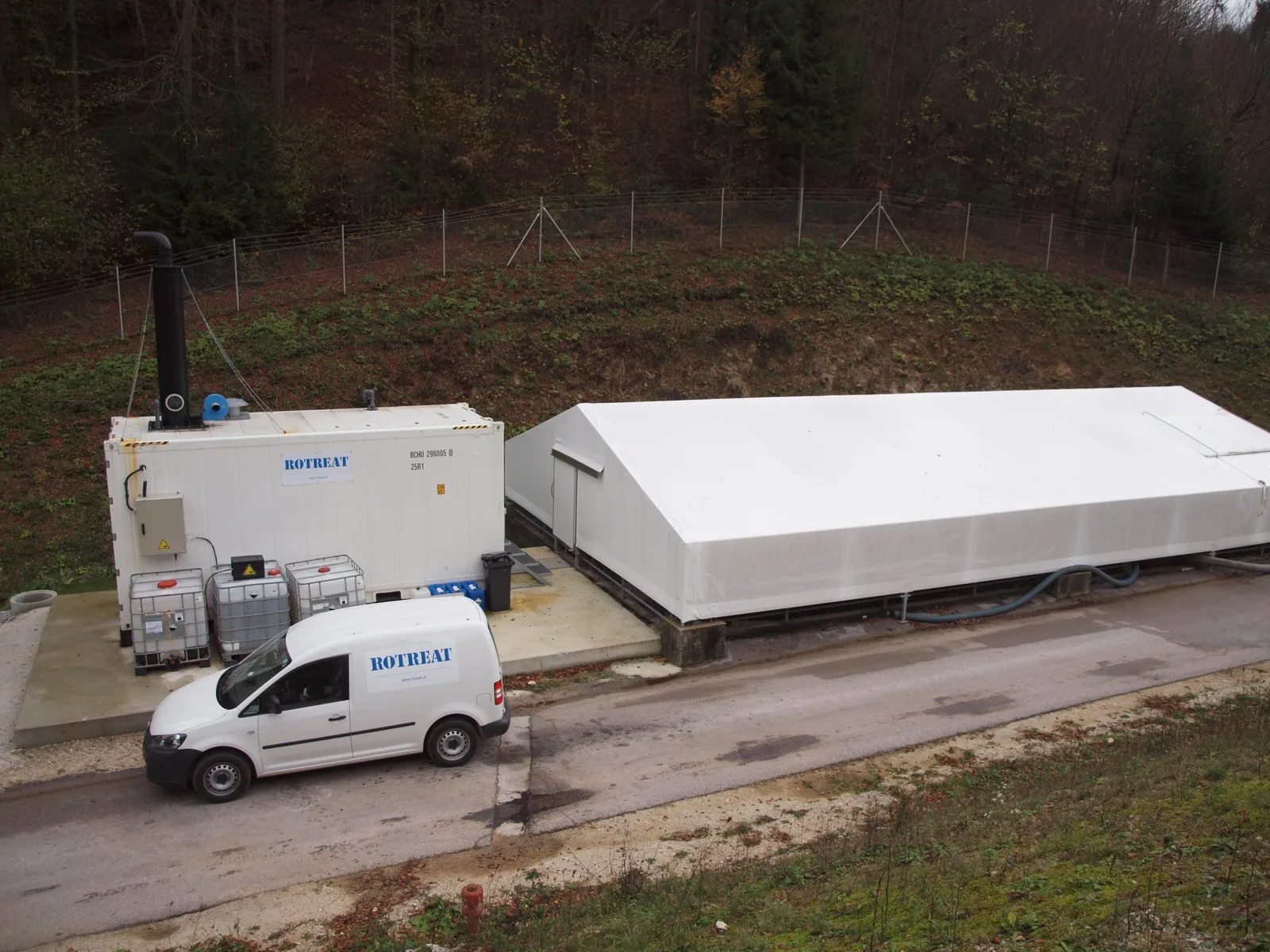
Industry and new technologies consume ever more water. Requirements are rising and reuse rates are low: water is becoming a business risk.
Buyers and triggers
Who system planning is intended for
Buyers
Technical and commercial decision-makers with a complex existing plant, an expansion or a new water project.
Typical triggers
Unclear technology selection, interface risk, an existing plant from several manufacturers, a financing or operating question.
Not a fit
When a single standard unit is wanted without looking at the system. Vendor neutrality means selecting by objective, not rejecting established manufacturers.
Approach · System planning
Mapping the water cycle and the existing plant
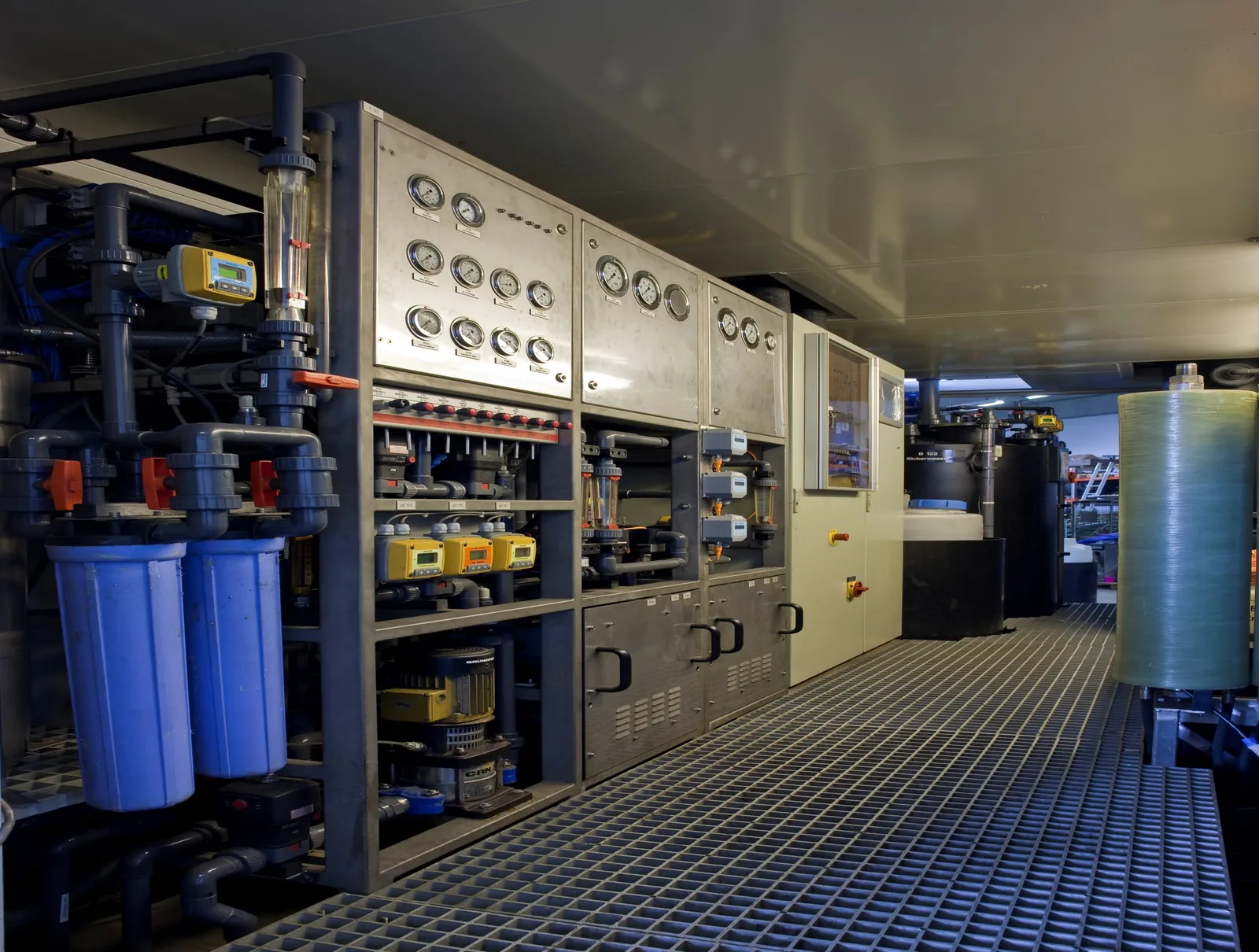
The starting point is not a list of equipment but the system: which consumers, sources and sinks belong to the site? Which period is comparable? Where does each value come from: meter, invoice, process calculation or estimate? A robust water balance with a clear system boundary is the basis for every later decision.
Analysis
Water analysis and water balance with a clear system boundary.
Concept
Treatment objective and technology selection without vendor lock-in.
Pilot testing
Validating the design against the real feed water.
Plant construction
Delivery as a complete system, with defined interfaces.
Operation
Measurement, maintenance and documentation in day-to-day operation.
Optimisation
Comparing cycle, reuse and investment on a fair basis.
Selecting technology without vendor lock-in
We select technologies by task, not by vendor lock-in. Membrane processes, disinfection, thermal concentration or combinations are weighed against the objective, the feed water and the constraints: transparently and comparably.
Connecting audit, concept and pilot testing
The audit and water balance lead to a treatment concept; where the feed water varies or the risk is high, pilot testing validates the design. That turns an environmental indicator into a basis for decisions on operation and investment.
Thinking plant, operation and financing together
Delivery, operation and financing are considered together rather than one after another. That reduces interface risk and makes the total cost over the term visible.
Financing frame (evidence level C, confirm before publication): example project size of roughly 100,000 to €5 million; possible models are purchase, rental, leasing or Water-as-a-Service. These figures depend on the specific project, creditworthiness and structure and are not a blanket commitment. Details under operator models and financing.

The difference
Why vendor-neutral system planning
Vendor neutrality means selecting by objective, not rejecting established manufacturers. Four principles govern every project.
System first, technology second
Map the water cycle, the existing plant and the objective first, then decide on the technology, not the other way round.
Selection by objective, not by brand
Processes are weighed against the feed water and the constraints, transparently and comparably, across manufacturer boundaries.
Less interface risk
Delivery, operation and financing are considered together rather than one after another: total cost becomes visible over the term.
A robust basis for decisions
The audit, the water balance and, where needed, pilot testing produce a traceable basis for operation and investment.
Processes
Technologies by task, not by brand
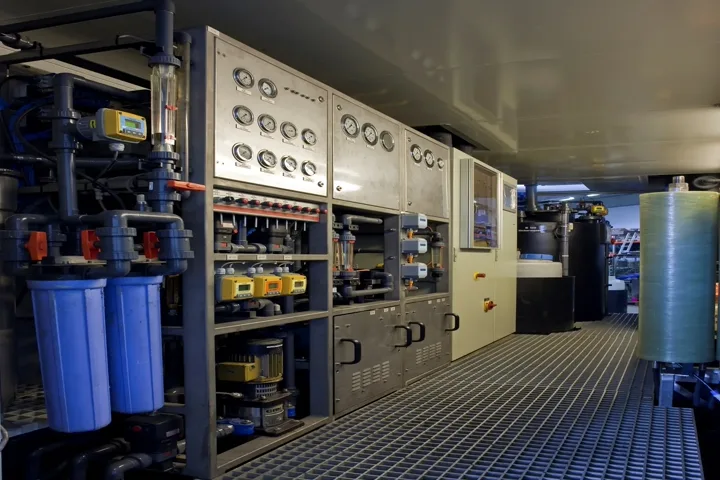
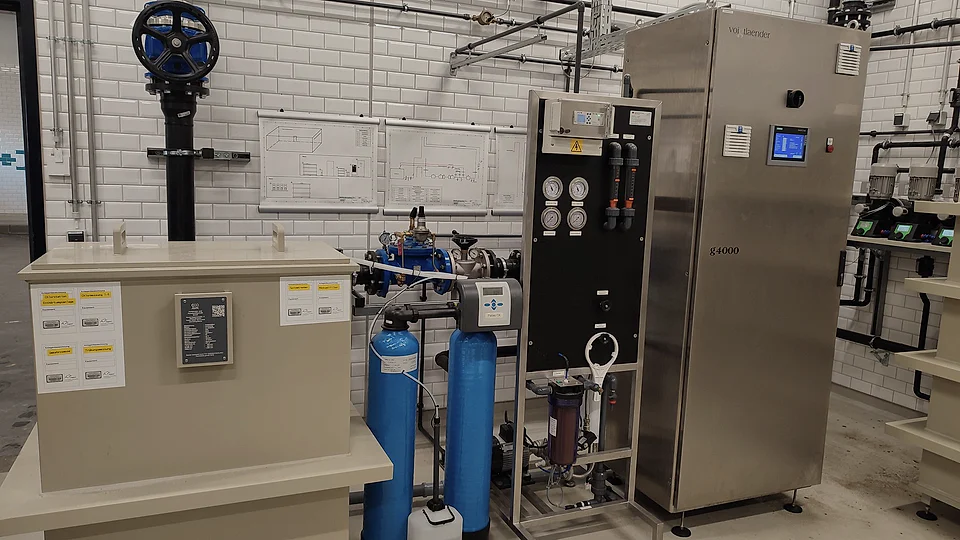
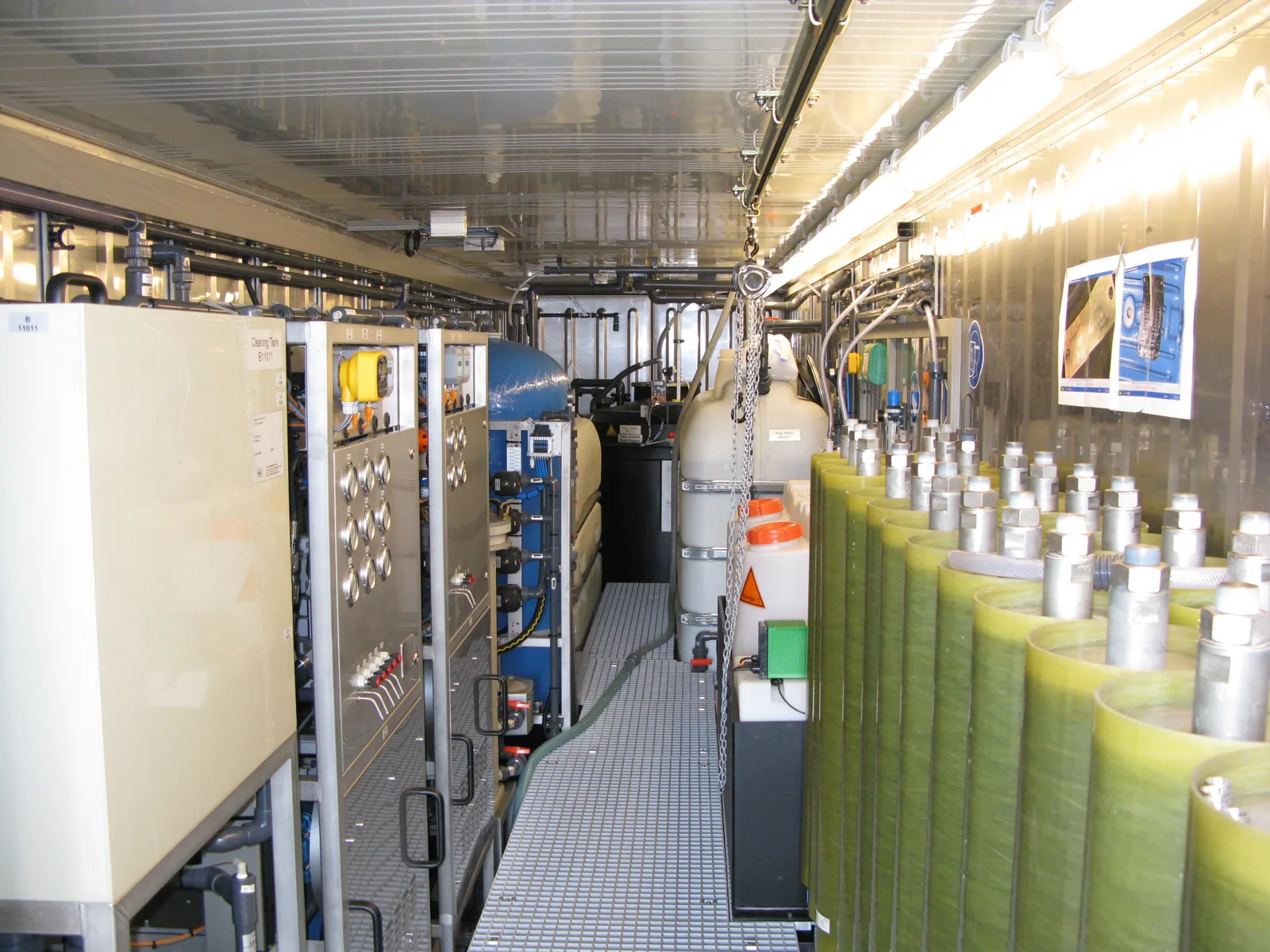
Different processes come into question for each treatment objective. We select and combine them according to feed water, objective and constraints, vendor-neutrally.
Membrane processes
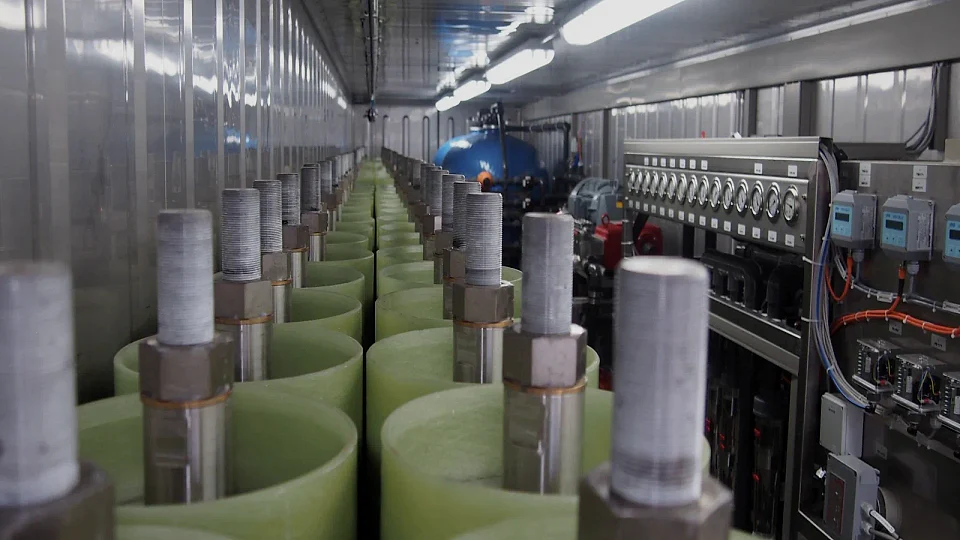
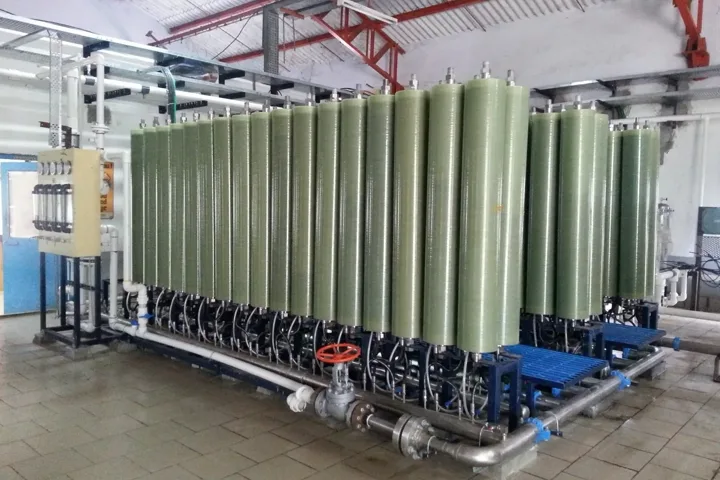
Reverse osmosis, nanofiltration and ultrafiltration for desalination, concentration and solids separation.
Disinfection
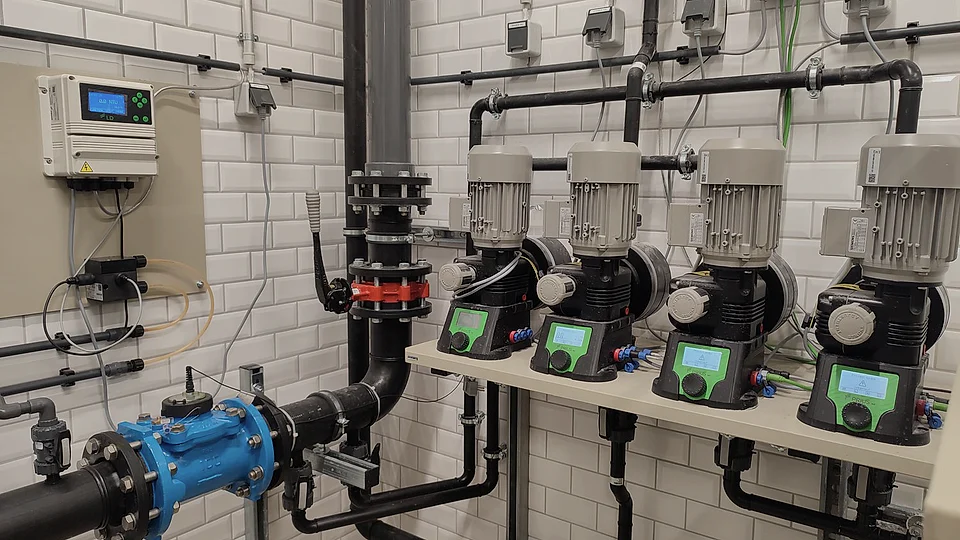
Processes that keep the water cycle hygienically secure, matched to product contact and target organisms.
Thermal concentration
Evaporation and crystallisation where high concentration or a low-residue wastewater path is required.
Combinations
Multi-stage process chains where a single process cannot meet the objective, the feed water or the economics on its own.

Use case · Flagship
Cooling tower optimisation: four levers as one system
Evaporative cooling towers continuously lose water through evaporation, drift and blowdown, and need chemicals against scale, corrosion, biofilm and legionella. Because those costs are already known to the operator, every improvement is immediately measurable in euros: the ideal place to demonstrate the whole approach on a single system. Most providers address only one part; Liquid Engineering optimises all four levers together.
Water
Higher cycles of concentration, less blowdown and drift, water reuse: less make-up water and less wastewater.
Chemicals
Less biocide and inhibitor; HOCl generated on site replaces bought-in hazardous substances.
Energy
Clean heat transfer surfaces and better control reduce pump and fan energy and improve cooling performance.
Reliability & compliance
Biofilm, legionella and corrosion under control: fewer shutdowns, longer plant life, auditable hygiene.
Cooling tower optimisation
Water balance, cycles of concentration, blowdown and drift reduction, side-stream filtration, circuit water and intelligent control.
Water quality · On-site treatment
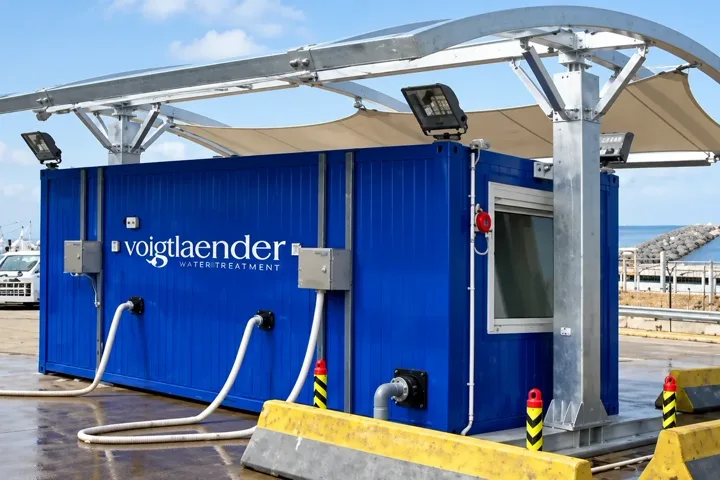
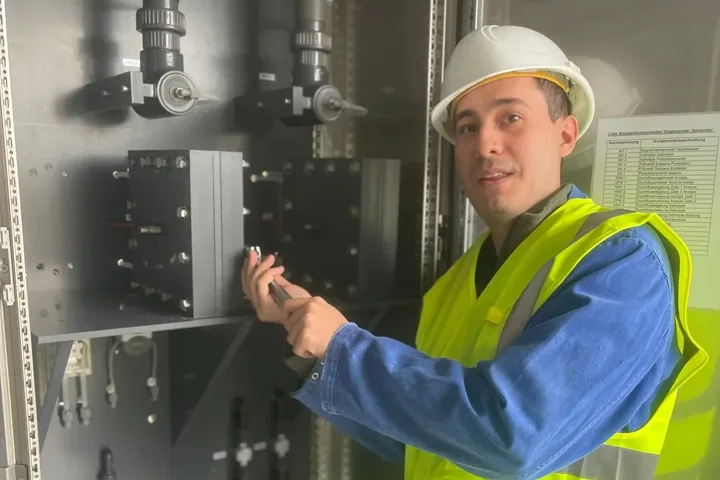
Biofilm, legionella, corrosion and scale, including HOCl generated on site (Voigtländer) instead of bought-in biocides.
Digital performance
Real-time monitoring, KPIs and ESG reporting; predictive maintenance step by step: monitoring and KPIs first, prediction and AI later.
How the modules work together Three modules at the cooling tower Illustrative worked example Illustrative worked example. The assumptions are project-specific and must be confirmed for the site before any use: this is not a reference and not a guaranteed saving.
Buy or have it operated
Operator models and financing
The right structure depends on the project, creditworthiness and objectives. An overview of the possible models.
Example project size of roughly 100,000 to €5 million. These figures depend on the specific project, creditworthiness and structure and are not a blanket commitment. Details under operator models and financing.
Outcome
What you receive
Decoupling & resilience
Less dependence on the public water supply, more resilience where water is scarce.
Lower total cost
Effective, efficient design and operation reduce total cost over the life cycle.
Compliance & ESG evidence
A smaller water footprint and reportable sustainability data, for better access to financing.
One accountable partner
From concept to operation, with financing resolved alongside the engineering.
Voigtländer in other sectors
The same method, proven across sectors
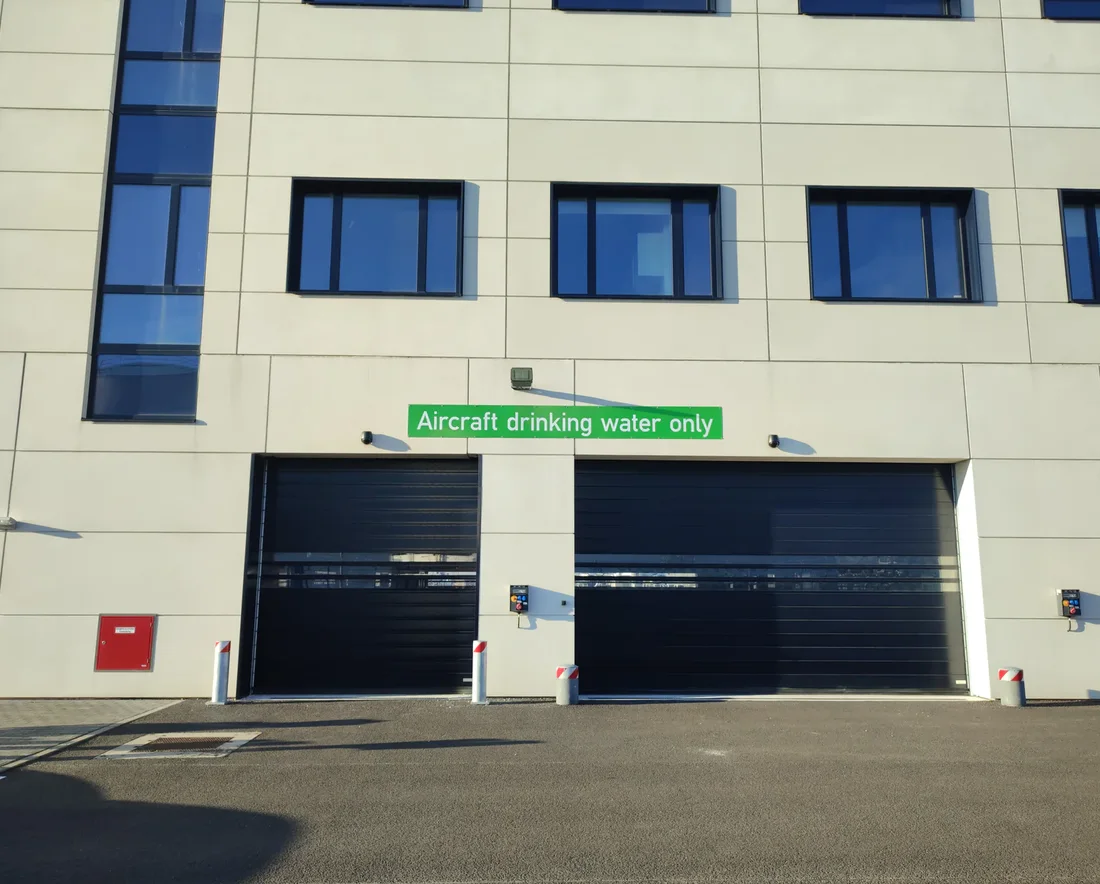
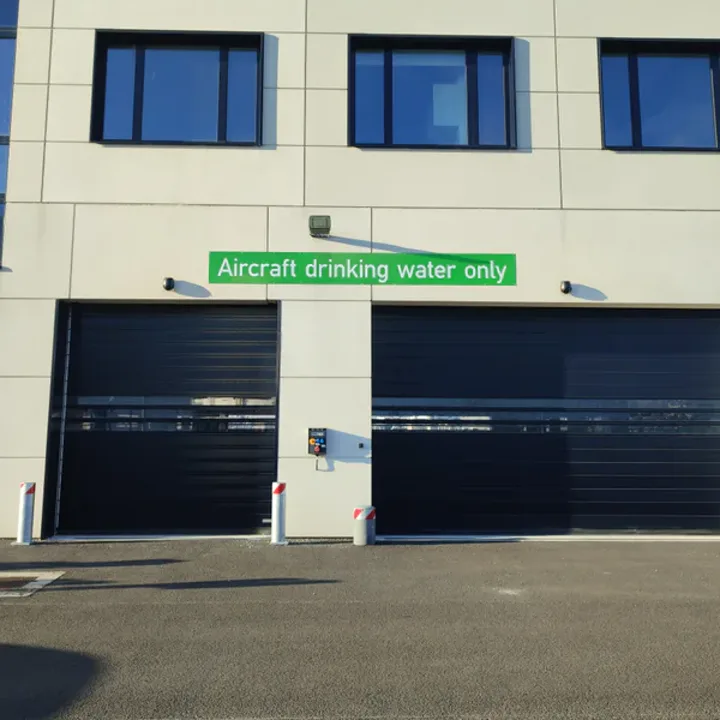
Aviation
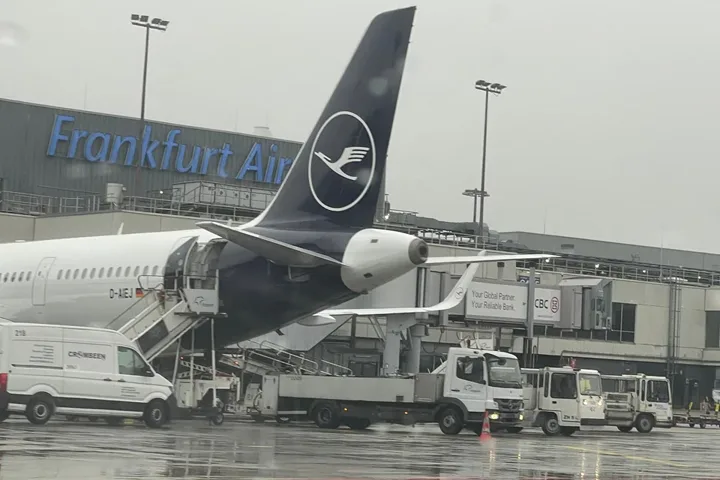
Drinking water for aircraft
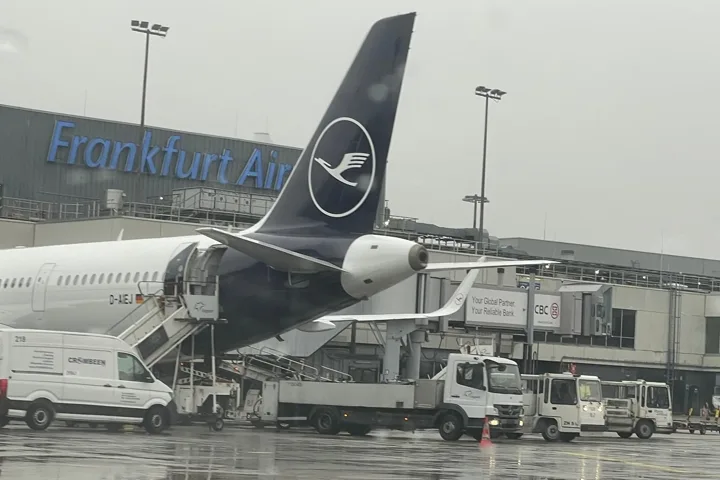
- Frankfurt Airport, in use since 2003
- Macau Airport
- Saarbrücken Airport
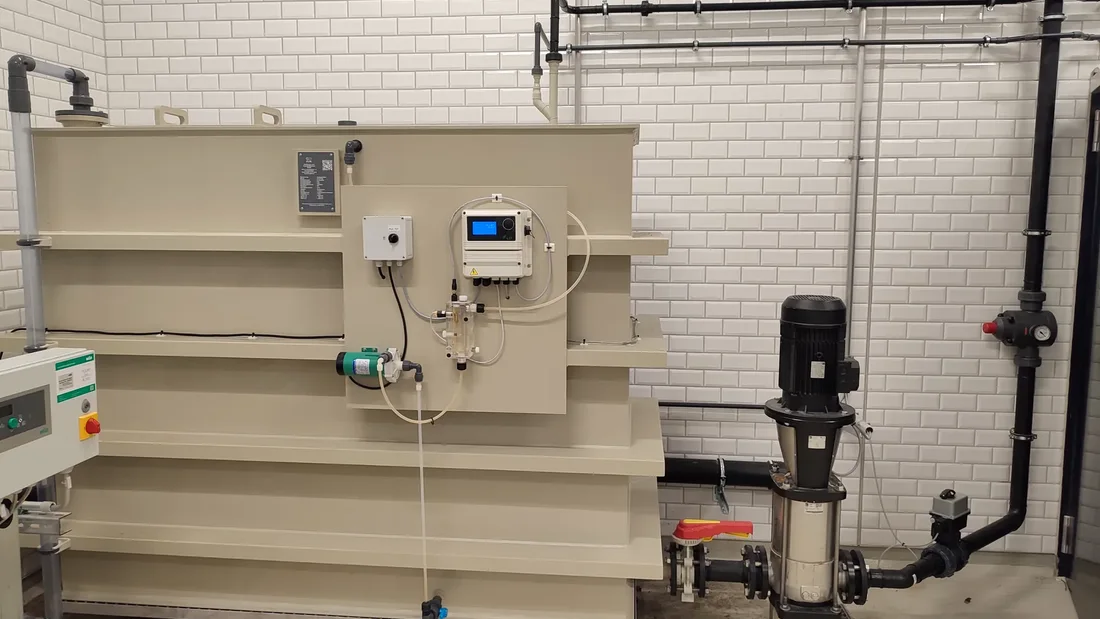
Buildings
Drinking-water hygiene in buildings
- Ten care homes, one programme
- Residential complex with 58 apartments
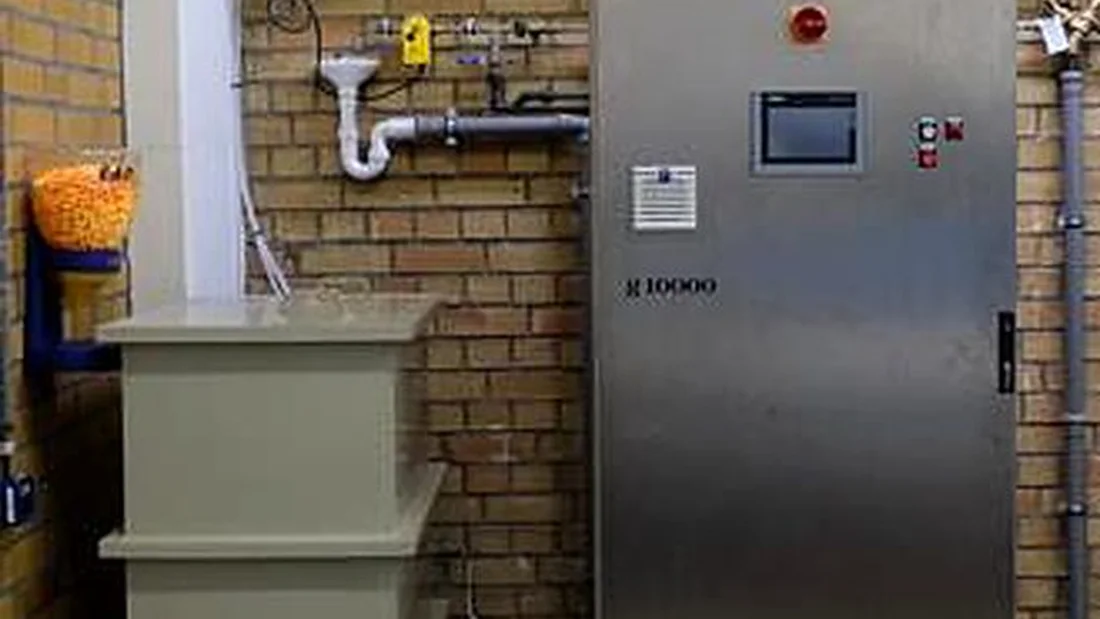
Cooling systems
Cooling towers and evaporative cooling
- University clinic: anolyte dosing in the cooling circuit, controlled by redox measurement
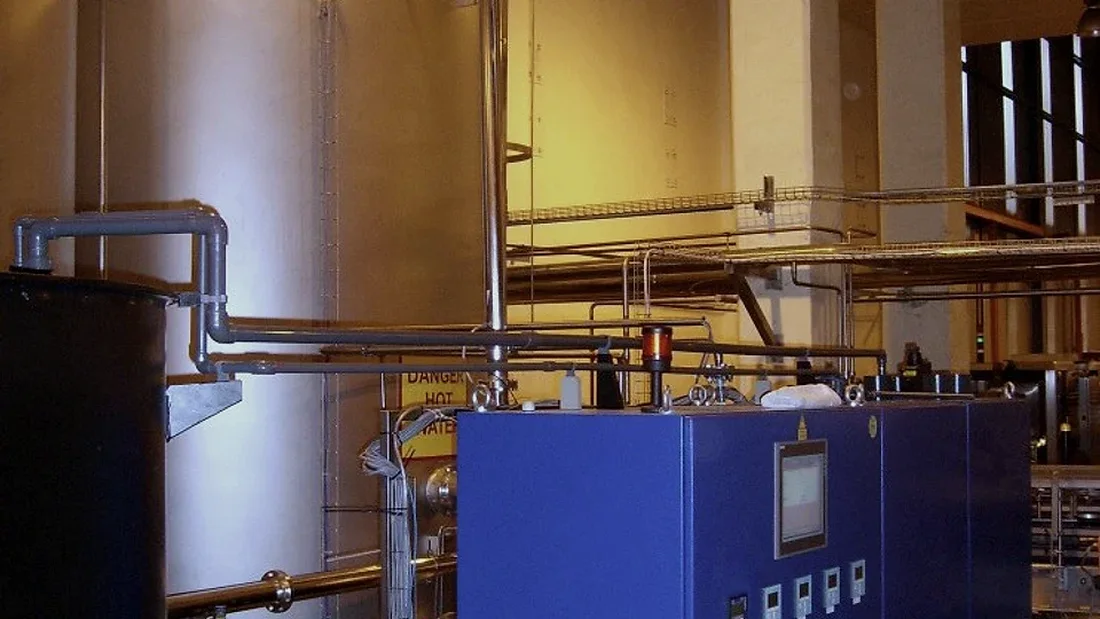
Food and beverage
CIP and process hygiene
- Soft drinks CIP and bottling plant
- Dairy and brewery
- Salad washing and canned food
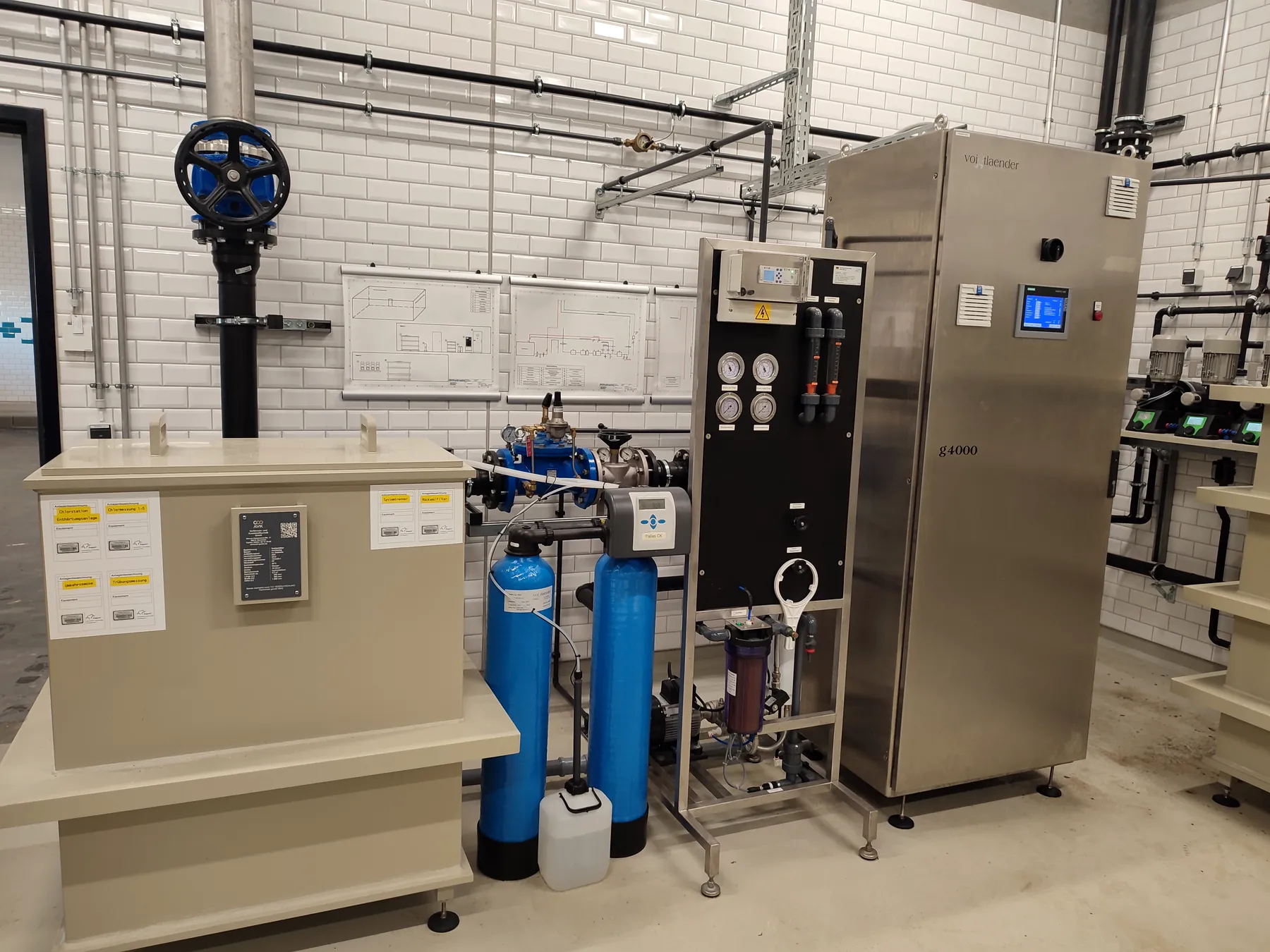
Further applications
Agriculture and industry
- Drinking water on a poultry farm
- Tissue production
Every entry is a Voigtländer application. Results are project-specific and are not a forecast for another site.
Next step
Check feasibility
Describe your water system, the existing plant and the objective. We assess technical and commercial feasibility and propose the sensible next step: audit, water balance or pilot.
- 1You describe the circuit, the existing plant and the objective.
- 2A specialist assesses your enquiry.
- 3We agree the concept with you.
Discuss a plant concept
For a first contact, a few details about the system, the existing plant and the objective are enough.
Your enquiry will be assessed by a specialist. Financing models depend on the project, creditworthiness and structure and are not committed to as a blanket offer.
Describe your water problem
In a few questions, Smart Match places your situation and shows the most sensible next assessment step for your water system.
Speak to our team directly
Prefer a conversation to a form? We will place your situation professionally and name the next assessment step.
Get in touch ›Send in a water analysis
Already have analysis values? Send them to us: we will review them and come back with an initial assessment.
Send an analysis ›Vendor-neutral water treatmentThe entry point is a concept.
Request a concept