 ▶
 ▶
≈ 26
million litres/year
drinking water saved
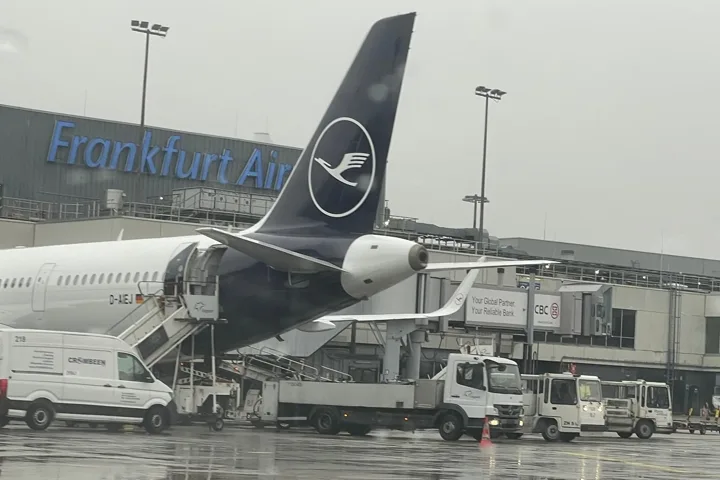
Aviation · Aircraft drinking-water hygiene · Frankfurt, Germany
Aircraft drinking-water treatment with measurable operational savings
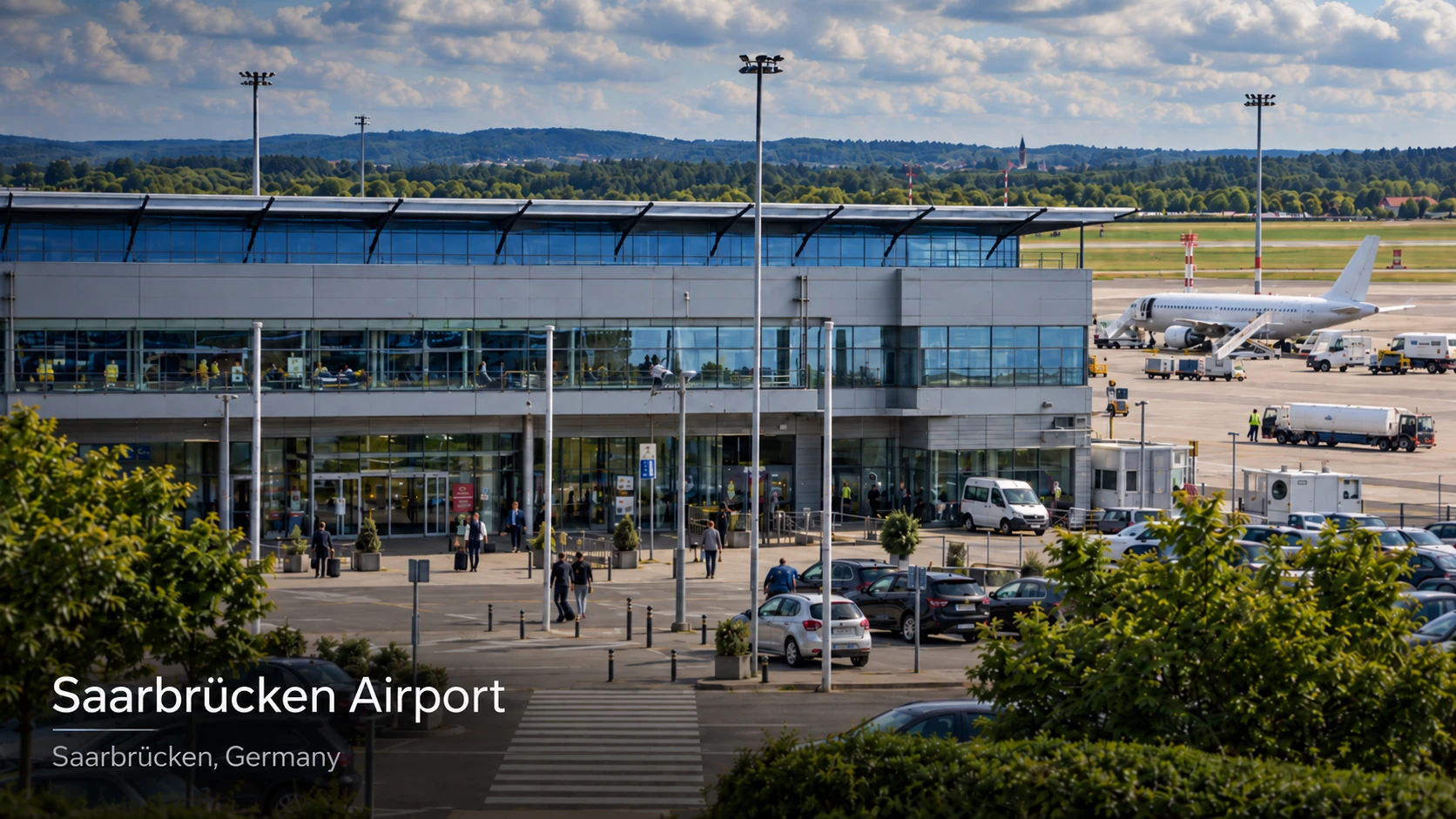
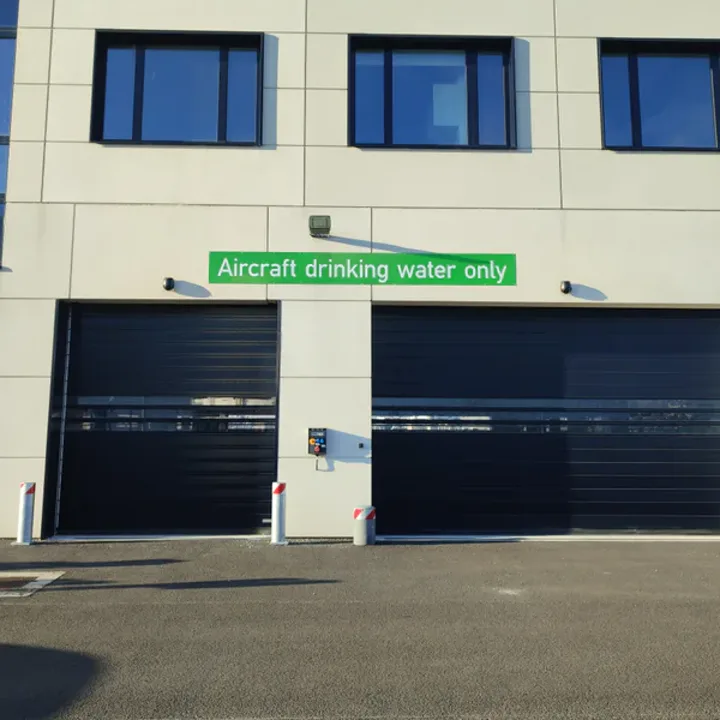
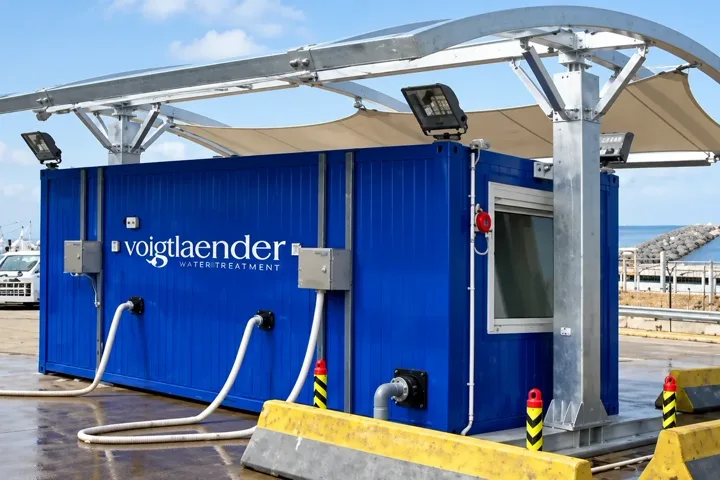
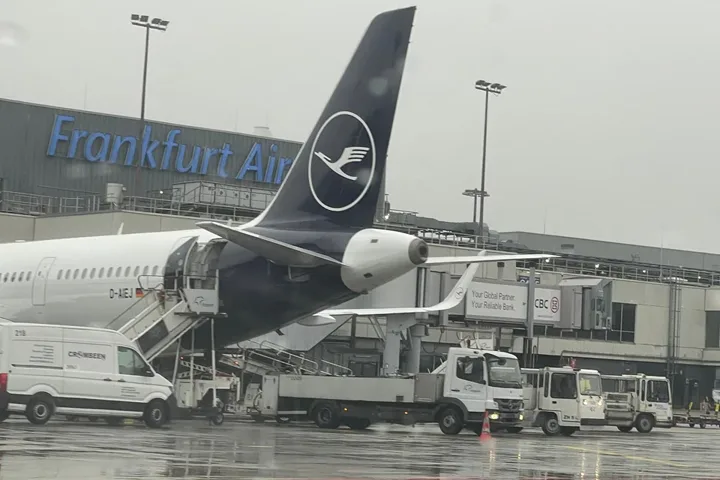
Since 2003, a Voigtländer system has supported drinking-water disinfection for aircraft supply at Frankfurt Airport, combining on-site anolyte generation, controlled dosing and operational monitoring.
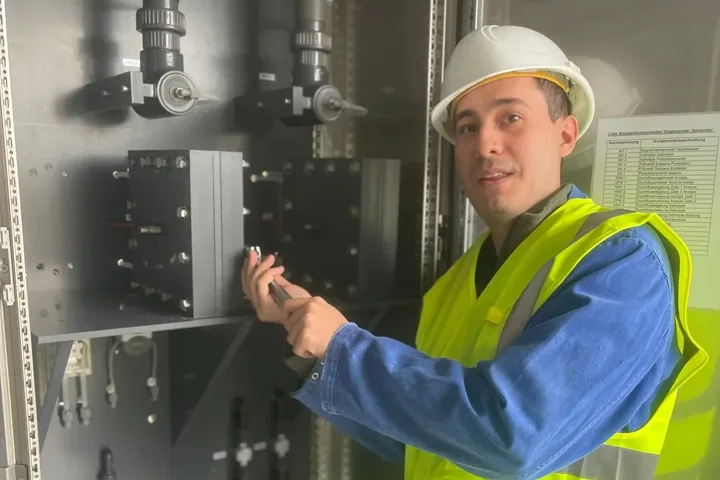
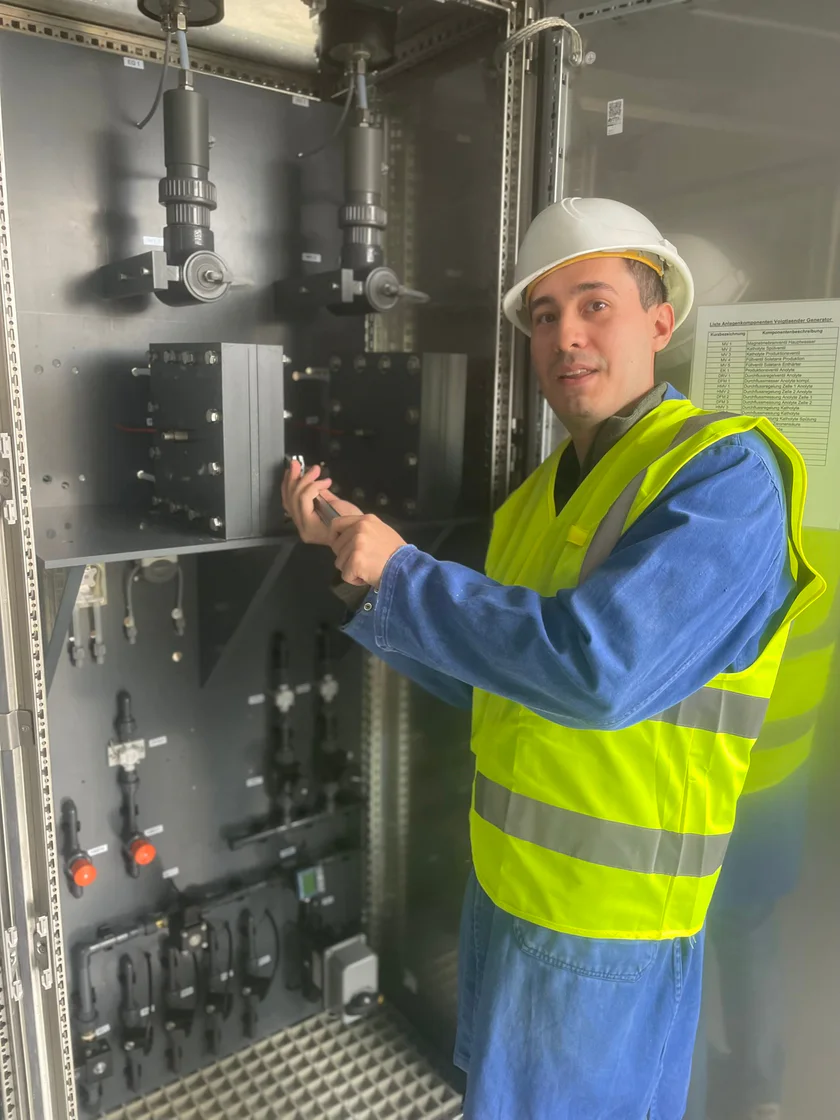
Pablo Pijoan Garrón · Service technician and engineer · Voigtländer equipment inspection
Project outcomes
The Frankfurt project shows water and working-time savings at the operating site. Results for another airport depend on its water path, fleet and operating procedure.
≈ 26
million litres/year
drinking water saved
≈ 2,800
working hours/year
working time saved
Source: Frankfurt project data and Voigtländer case study. All figures are project-specific.
Operational context
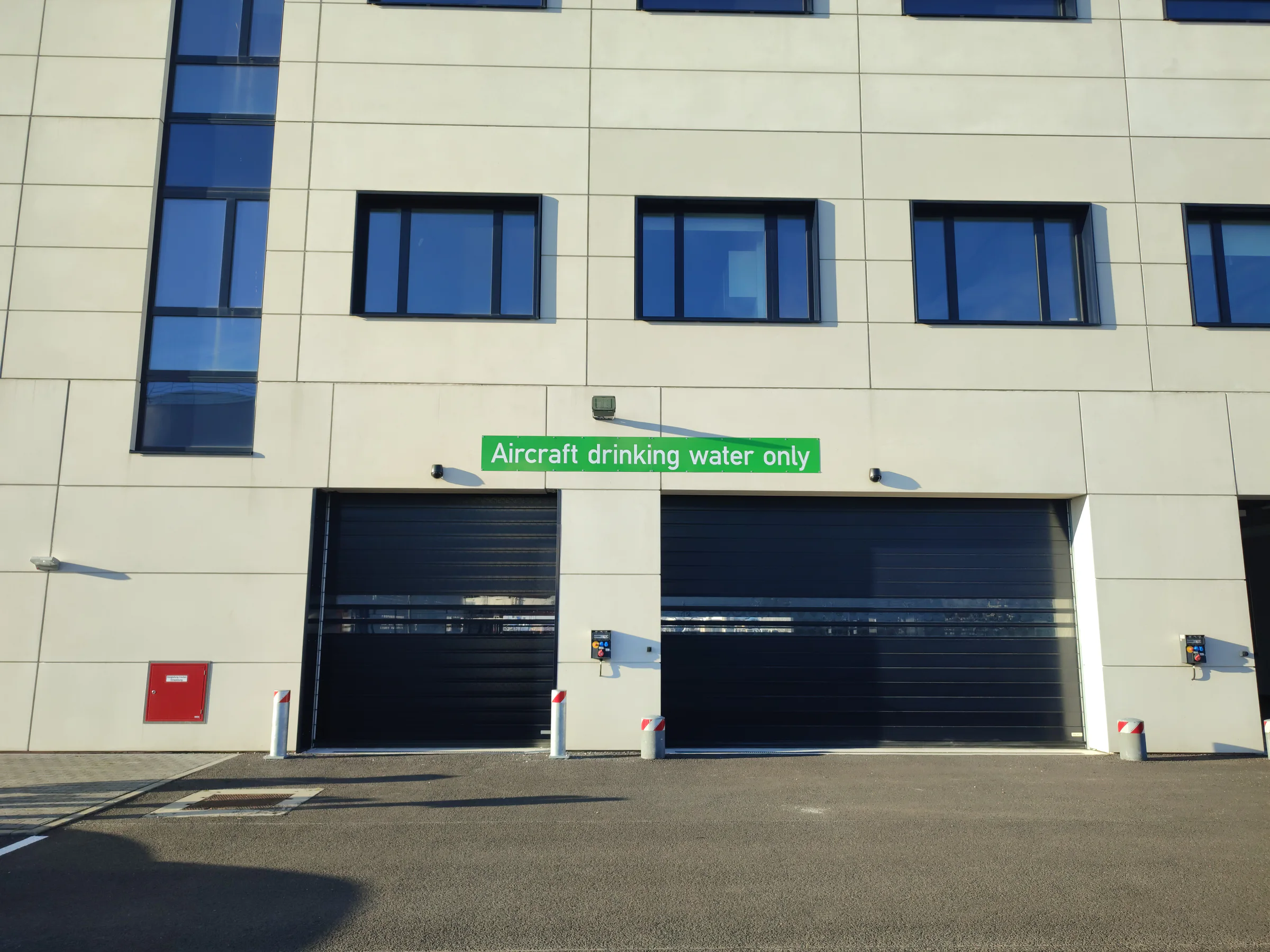
Between the incoming supply and an aircraft, drinking water passes through storage tanks, fixed pipework, filling points, water vehicles and hoses. Each transfer point matters to hygiene and day-to-day airport operations.
Before the changeover, disinfection tied up significant vehicle and staff capacity: the cycle for one water vehicle took up to 24 hours. Frankfurt needed a system that could support hygiene across the supply chain while reducing the operational burden.
Project scope: storage, distribution and aircraft supply
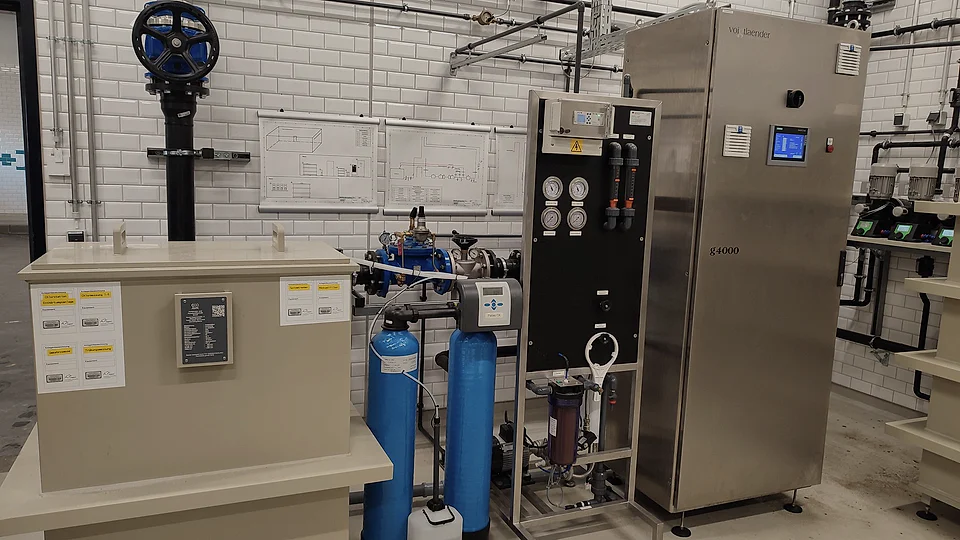
Voigtländer generator system
Inlet and water meter, brine tank, the three-chamber generator, anolyte tank, demand-led dosing, measurement and control. Press “Show me the process” to start the animated 3D diagram.
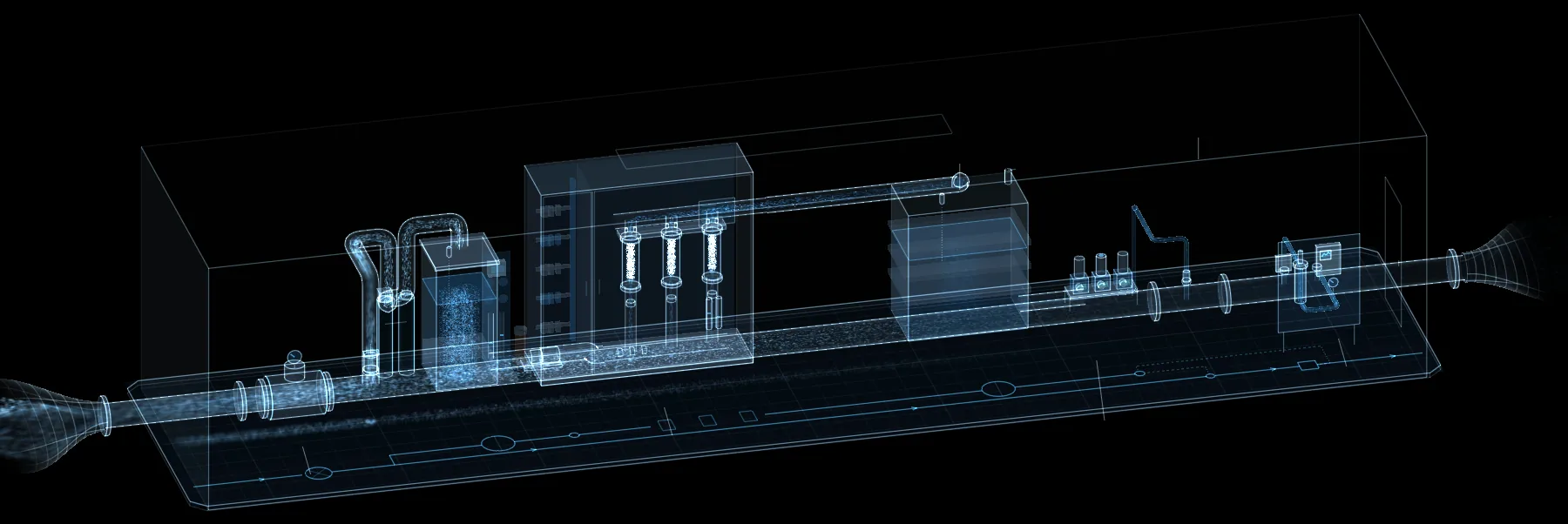
Modelled from the Voigtländer plant schematic of an anolyte system, in the drawing language of the home page. The cards show documented facts only, no invented figures.
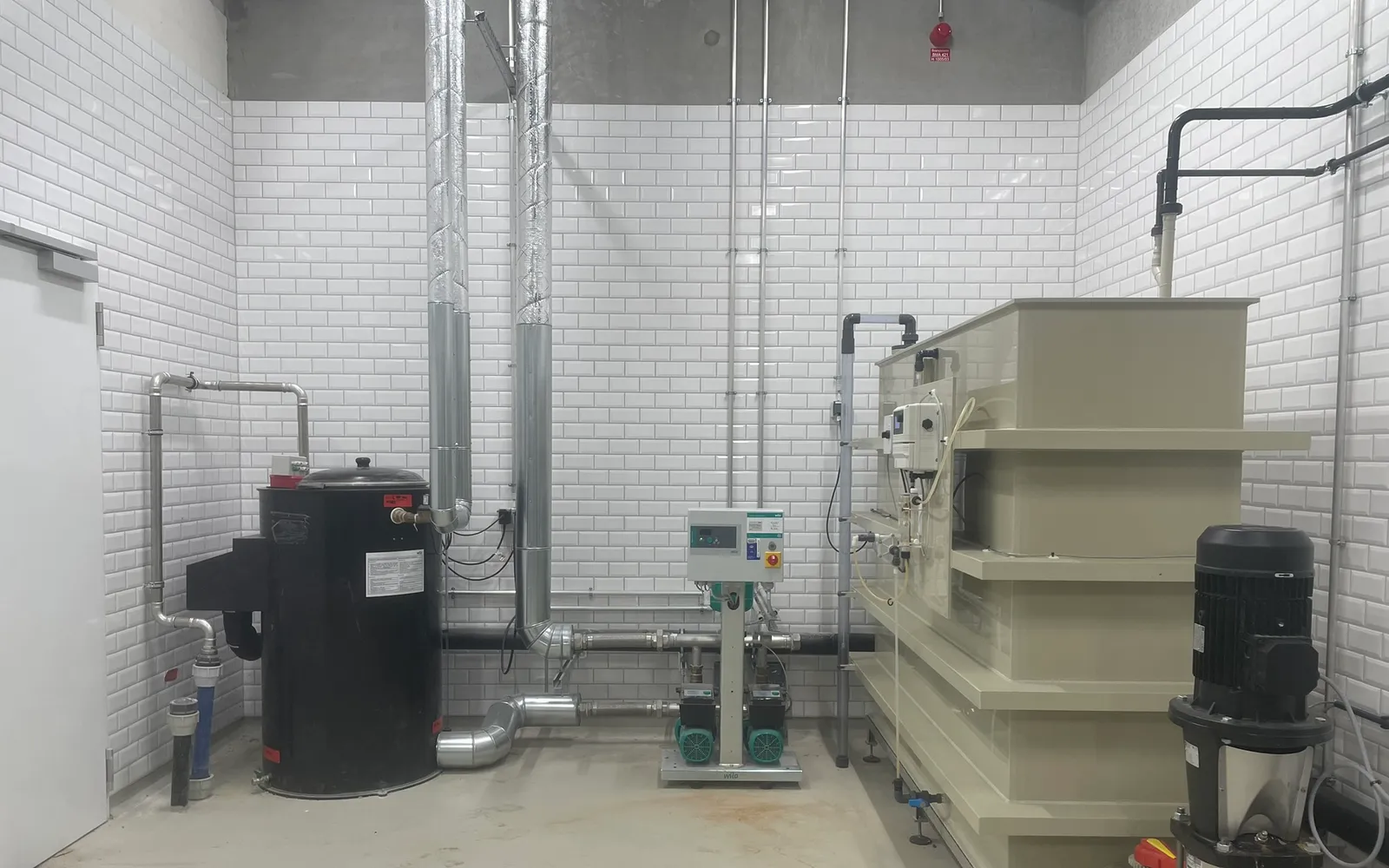
Real installation
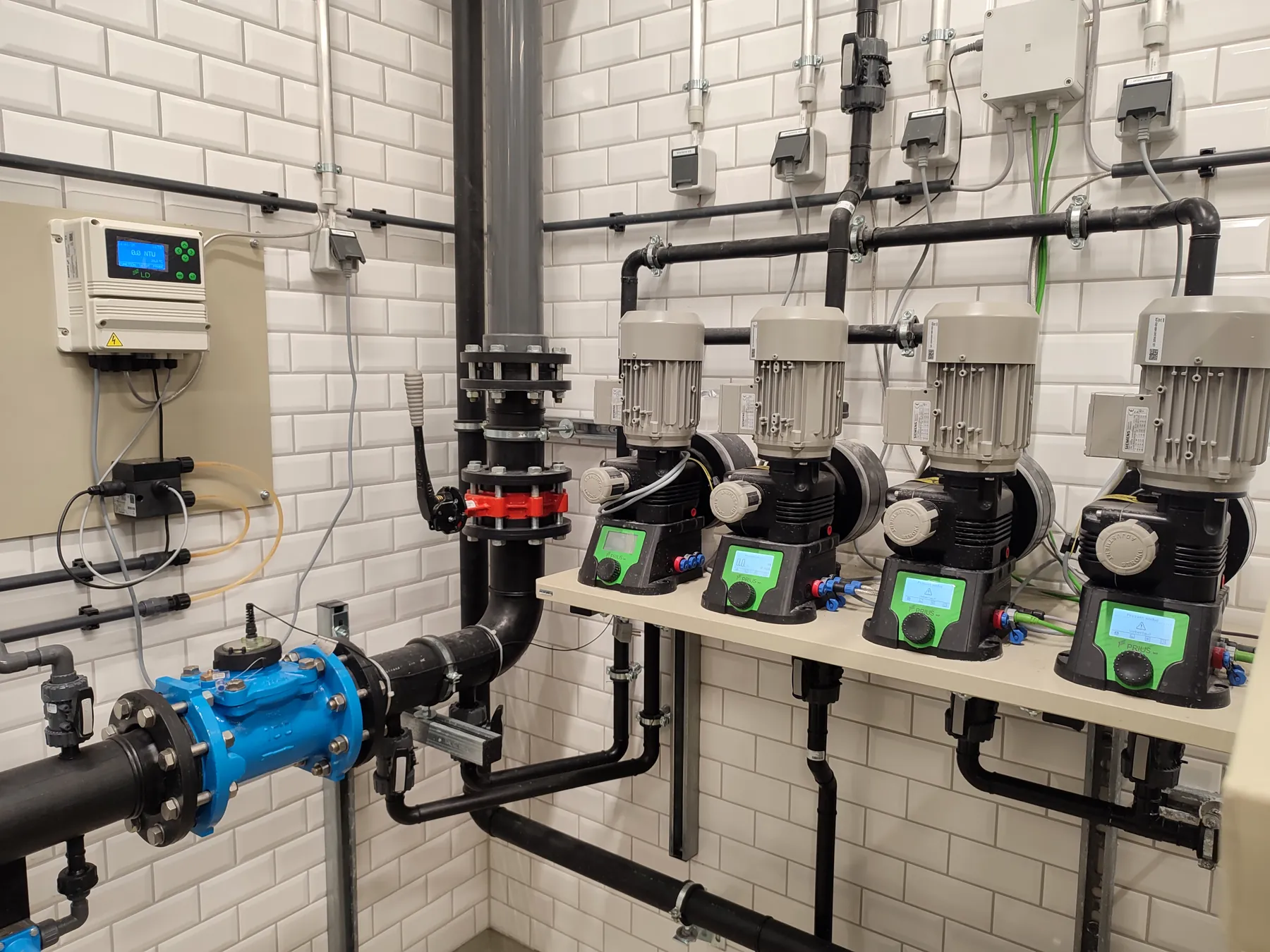
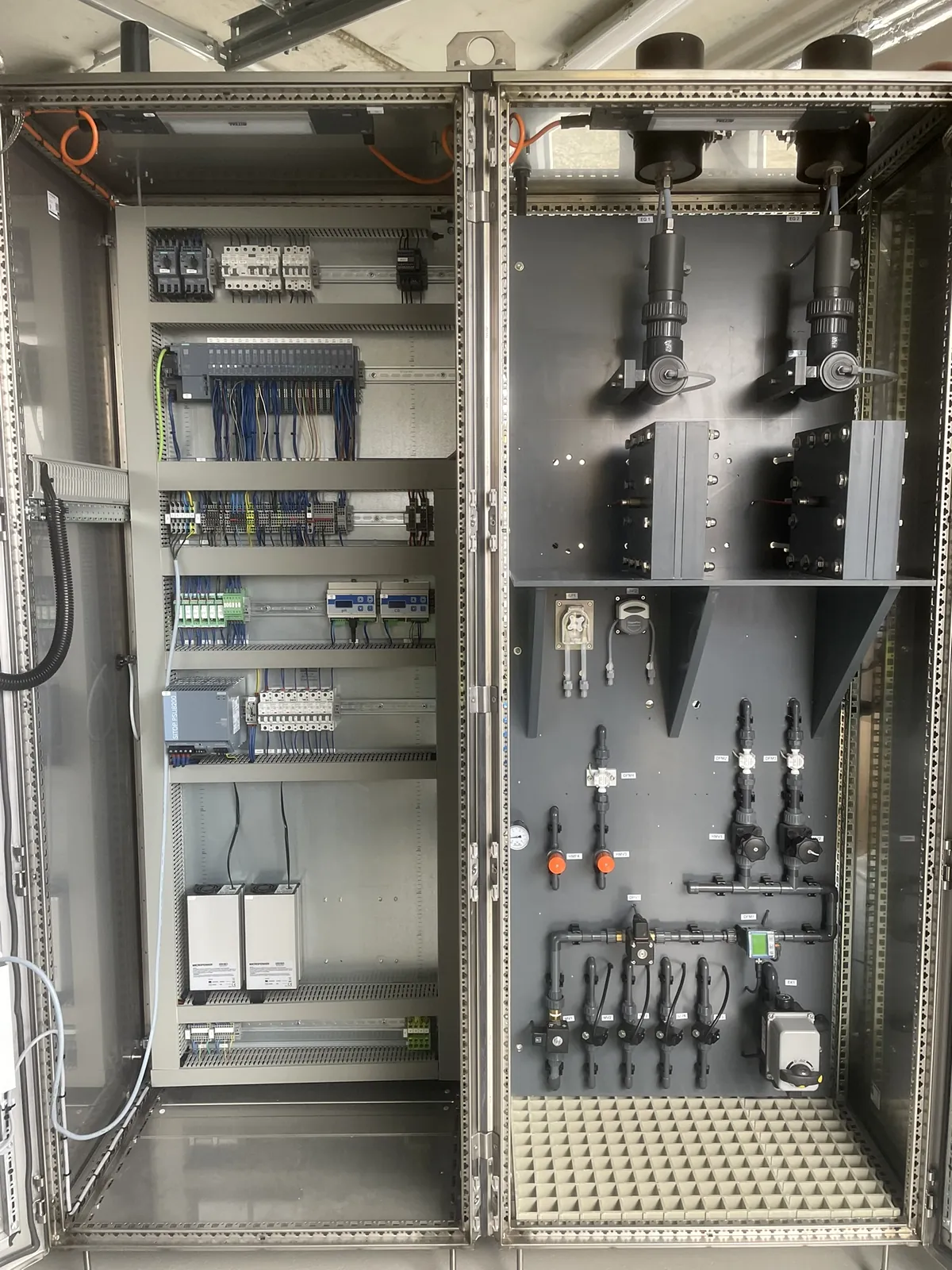
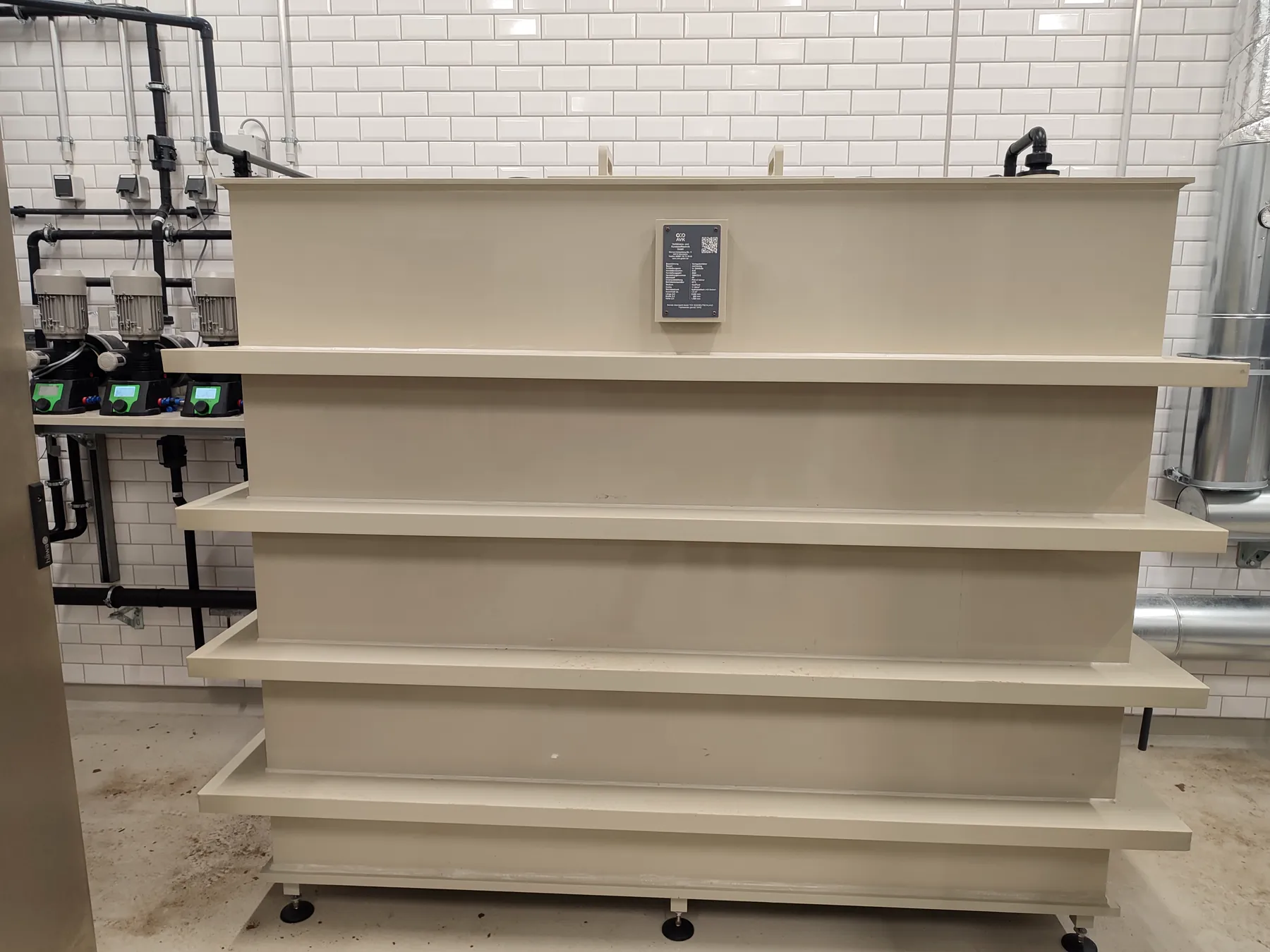
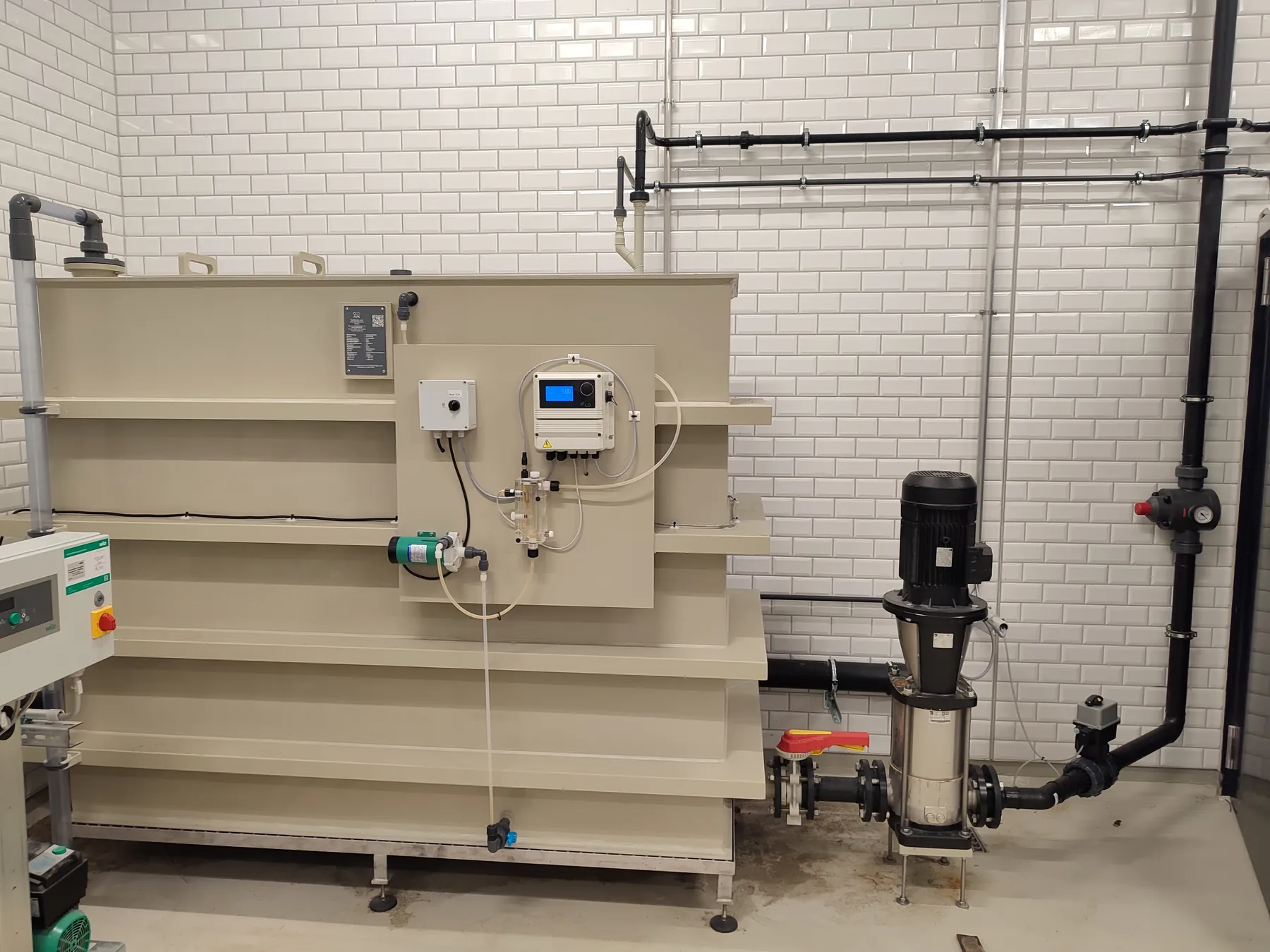
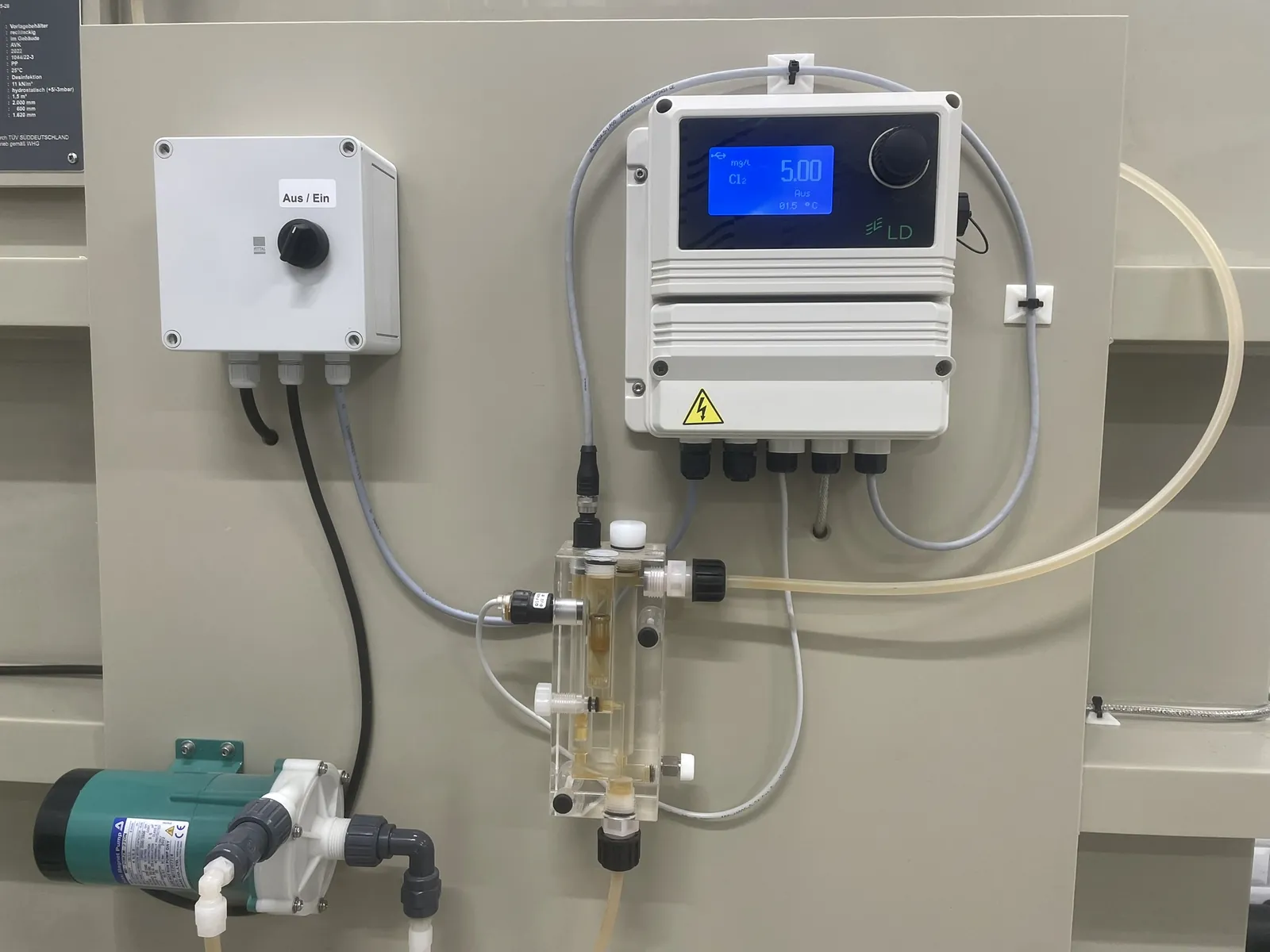
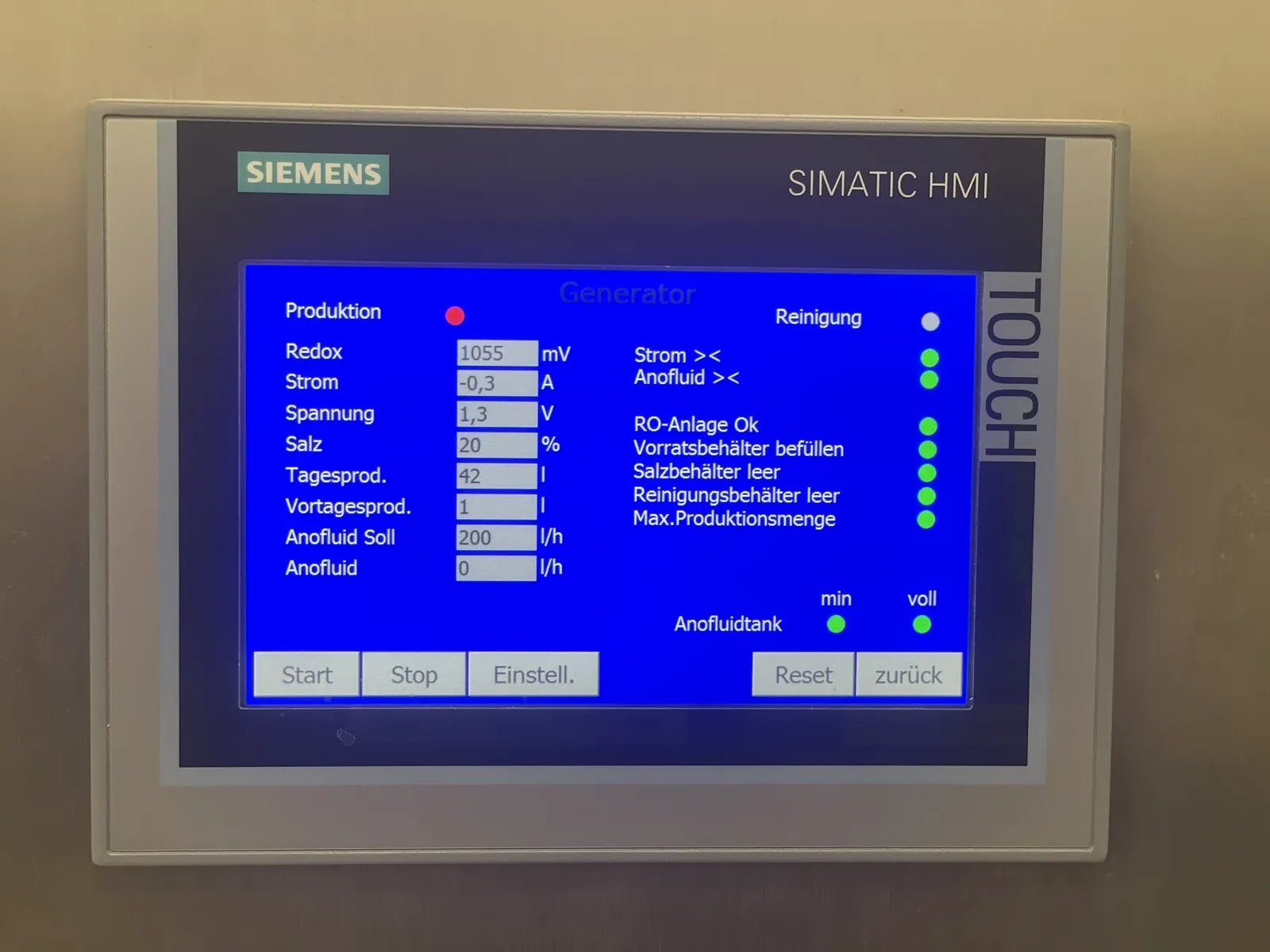
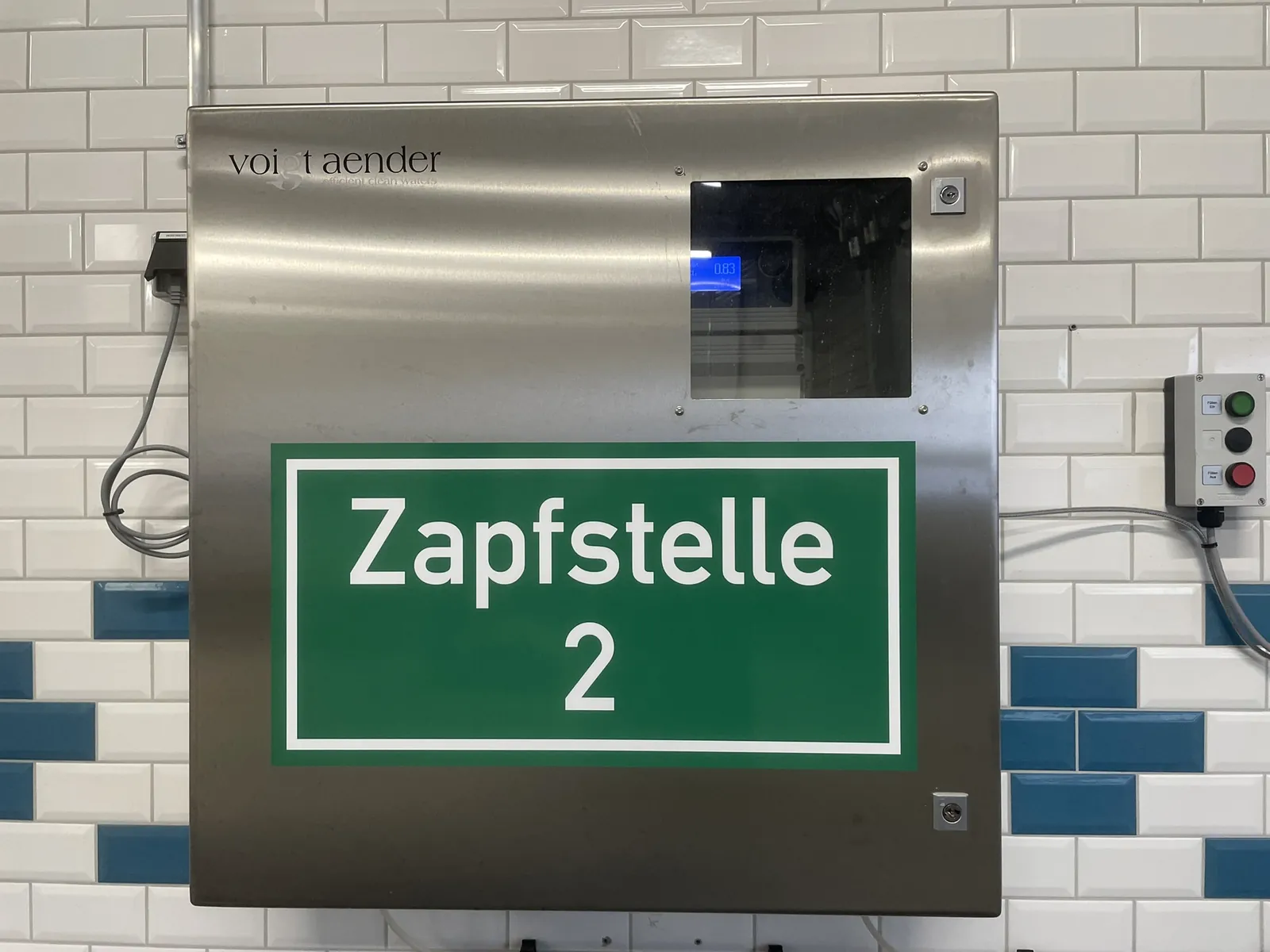
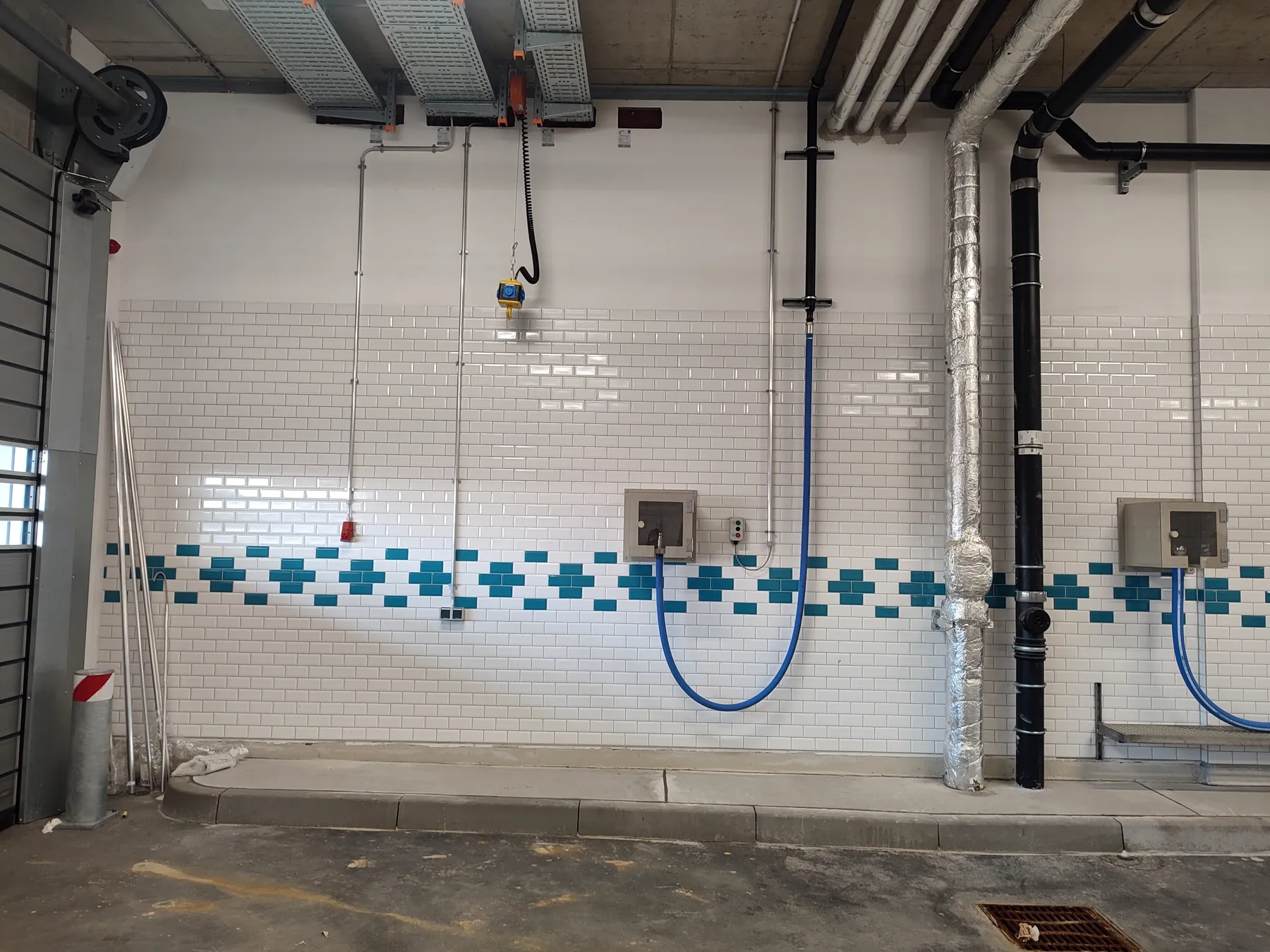
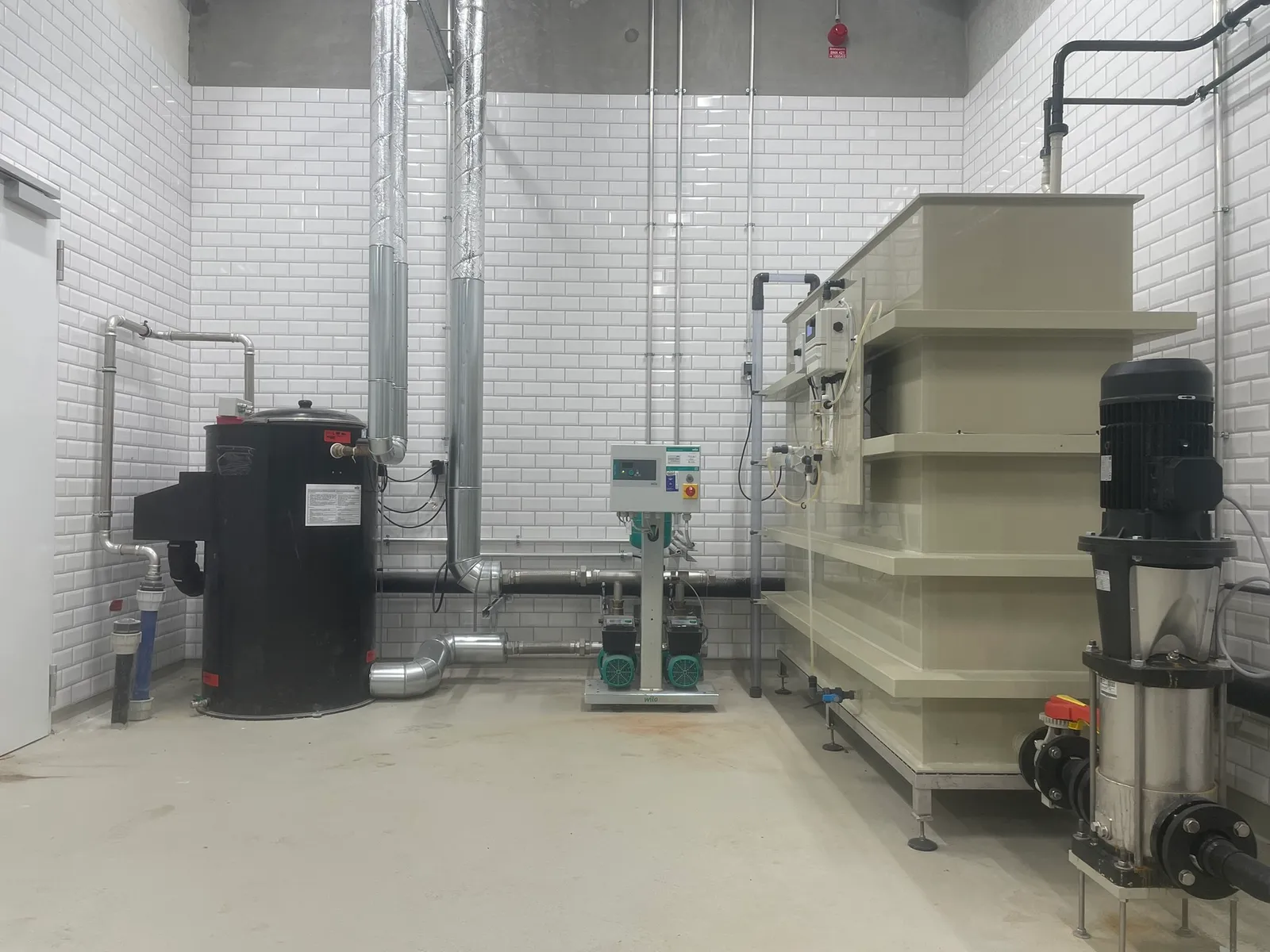
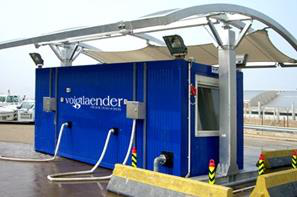
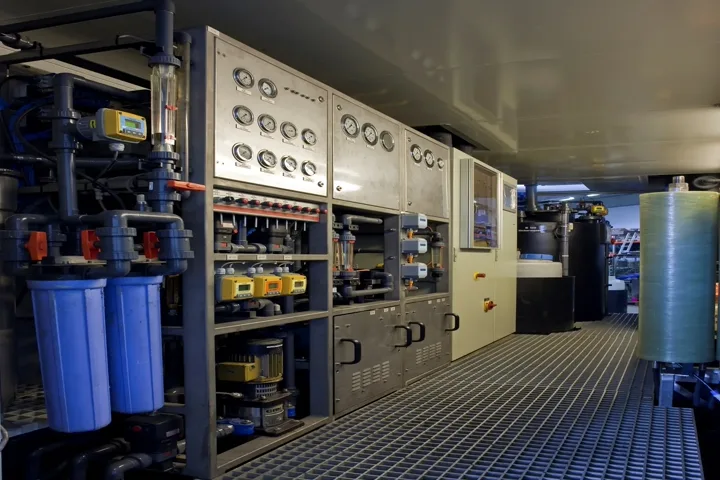
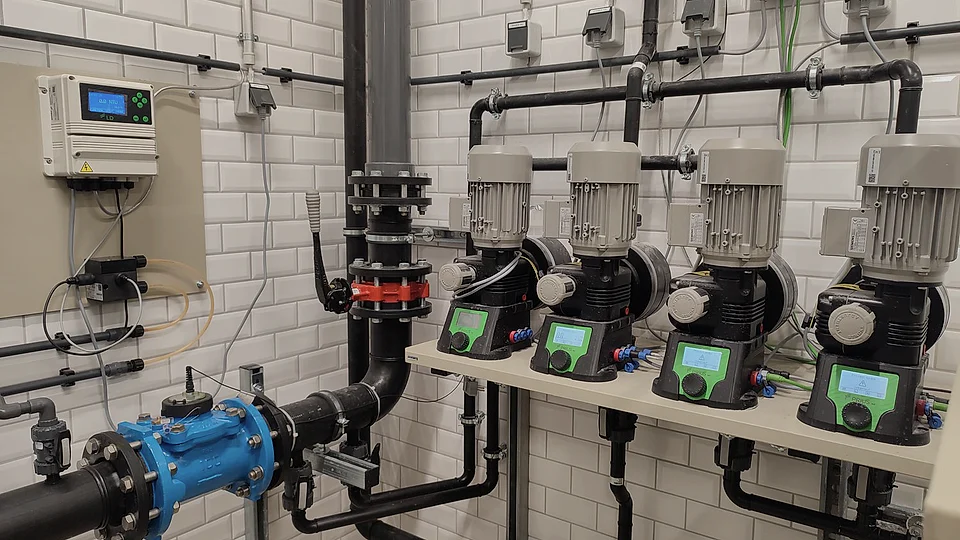
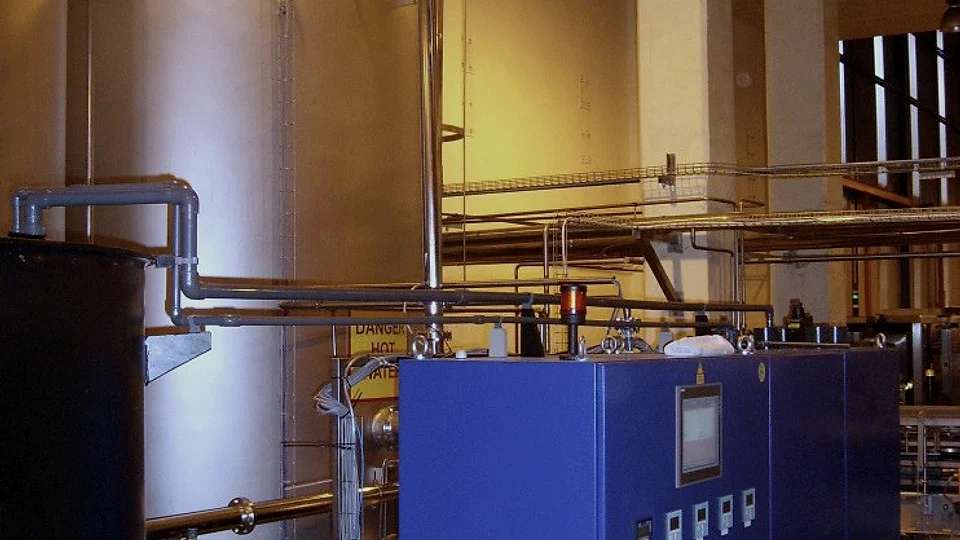
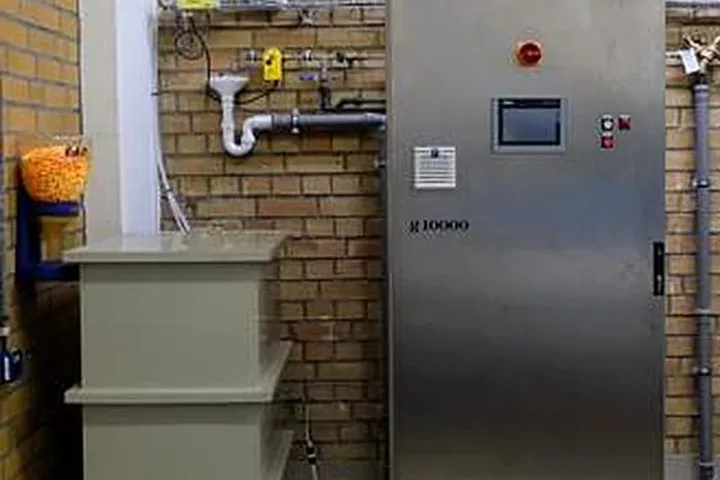
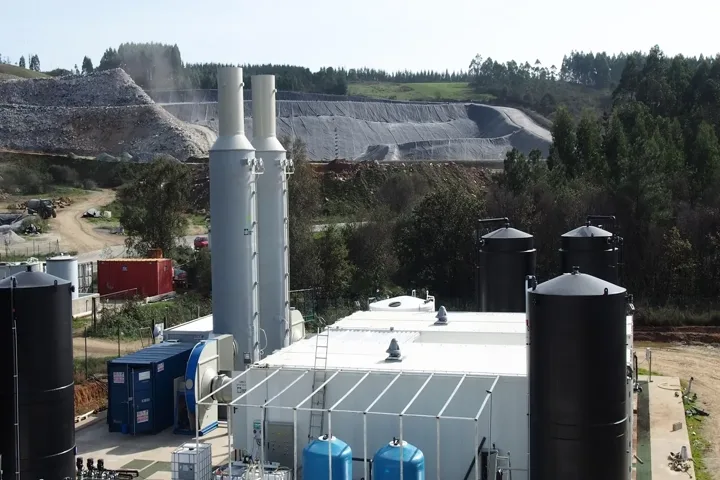
The Frankfurt application is a working system with installed generation, dosing, measurement and control equipment. The project also records operating-data capture and staff training for day-to-day operation.
On-site generation removes the need to transport, store or handle hazardous disinfection chemicals in this application.
Technical walkthrough
Five films recorded at the Frankfurt plant: the application in 90 seconds, a walk along the installed pipework, and three short technical clips on operating pain points, the treatment process and water measurement.
Playback connects to YouTube (Google); personal data may be transferred to third countries. Details are provided in the privacy policy.
From process to operating result
At Frankfurt, the vehicle-disinfection cycle fell from 24 hours to 15 minutes. The number of water vehicles in use was reduced from four to two.
Together with the site values of approximately 26 million litres of drinking water and 2,800 working hours saved per year, the project shows why the outcome matters beyond the treatment stage itself.
No transport, storage or handling of hazardous disinfection chemicals.
On site
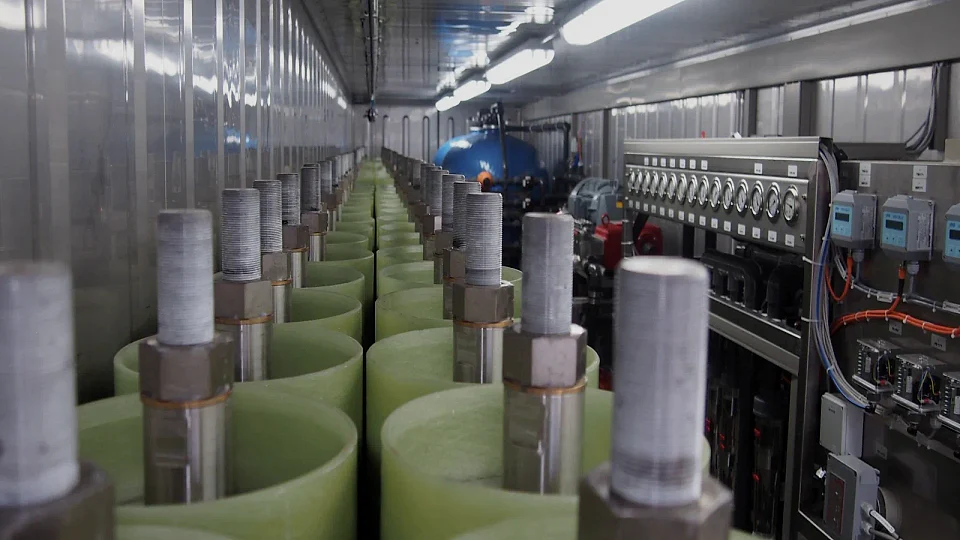
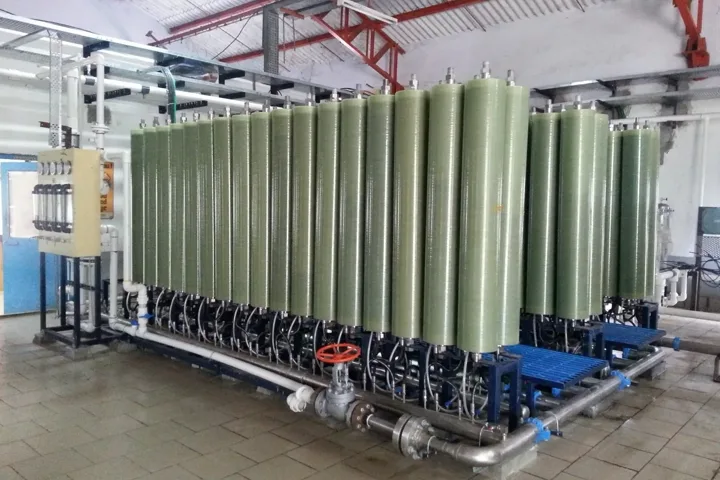
Pressure monitoring, the installed treatment vessel and pump equipment on the water path.

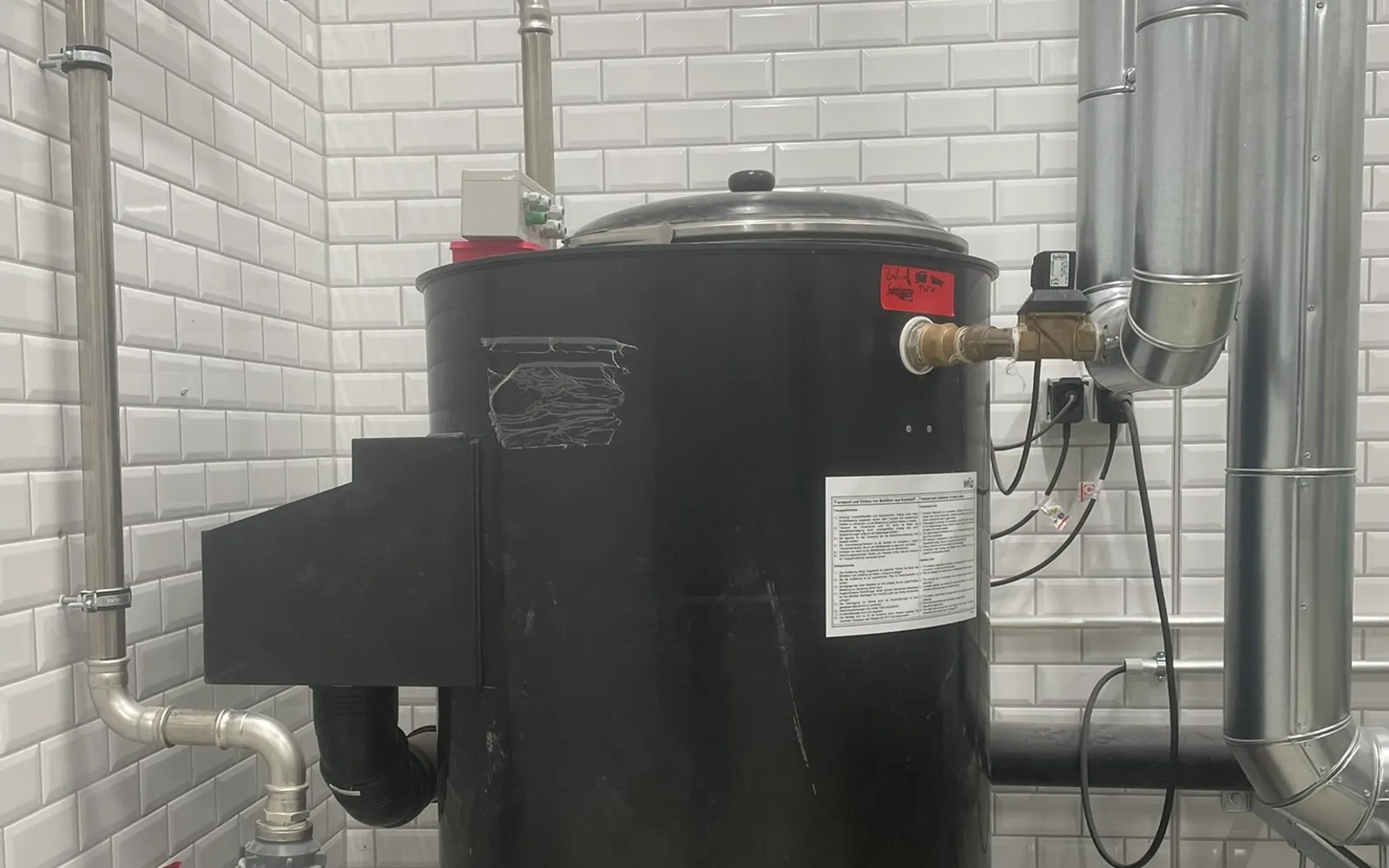
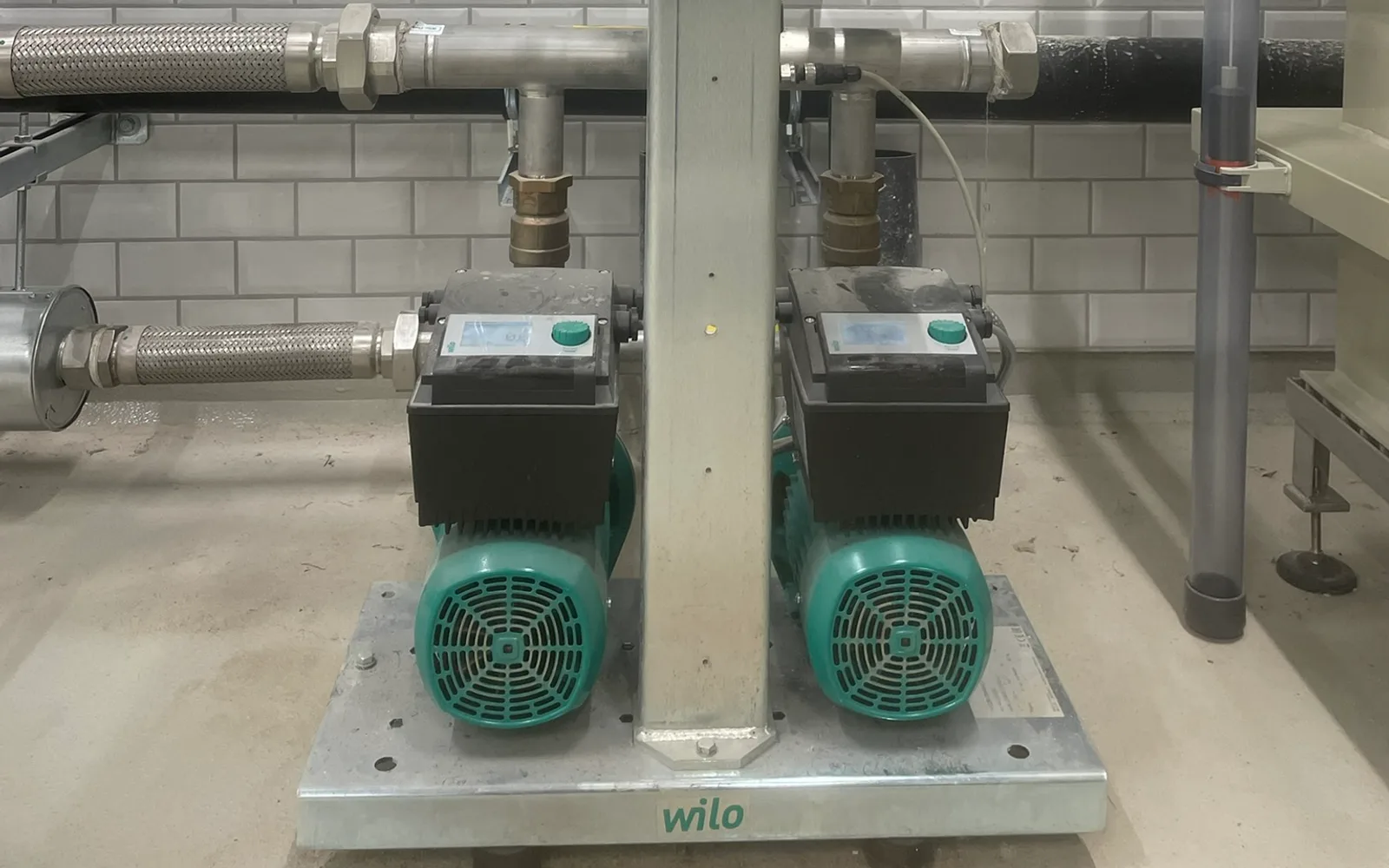
From reference to your project
This project shows one application. Explore the treatment approach and the decisions that matter before adapting it to your site.
Your aviation project
Start with the water path, storage, transfer points, fleet and hygiene targets. We will identify the next useful engineering step for your site.
Project context is carried into the enquiry: Frankfurt Airport · Aviation · Aircraft drinking water
Frankfurt Airport referenceOutcomes. Site-specific engineering.
Discuss your projectHydreatio assistant AI
AI assistant. It can make mistakes, and its answers are not a diagnosis of your plant. For anything further, please use our contact page. Privacy