
 ▶
 ▶
Elevated Legionella count
A finding exists and needs to be put in context.
Voigtländer · Cooling water
Keep cooling water under control and operation traceable: stable hygiene performance with on-site generation, measurement-led dosing and operating data.
Typical entry points
For facility management, building services and operators of industrial evaporative cooling systems. The review is particularly worthwhile if one of these points applies:
A finding exists and needs to be put in context.
Readings fluctuate or fail to hold the target range.
Recurring loading despite treatment.
Records are incomplete or scattered.
System context
Evaporative cooling generates aerosols; rising colony counts and Legionella findings usually arise where biofilm, nutrients, temperature and the operating regime come together. A one-off shock treatment addresses the symptoms. Hygiene only becomes durable once water condition, dosing and plant management are run as one system.
Biofilm · nutrients · temperature · operating regime
A one-off shock treatment addresses the symptoms.
Water condition · dosing · plant management
Durably stable hygiene, traceable in operation.
Method
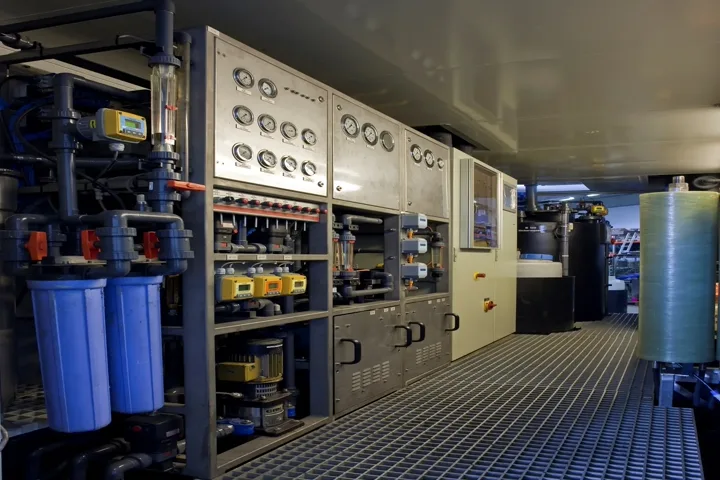
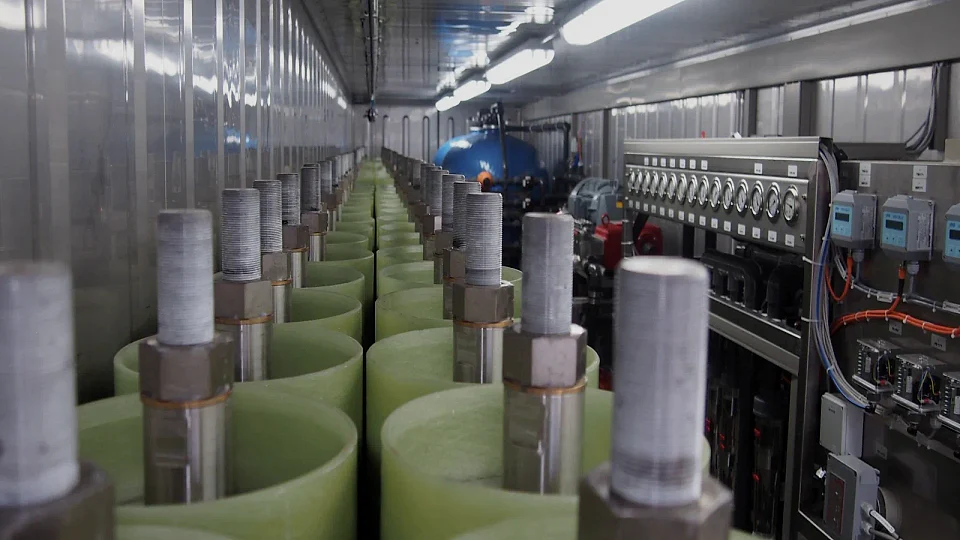
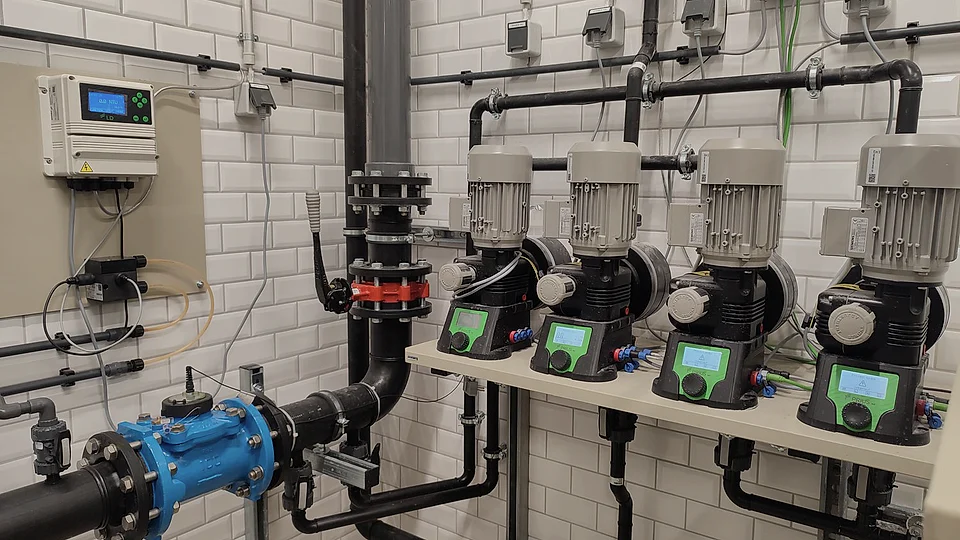
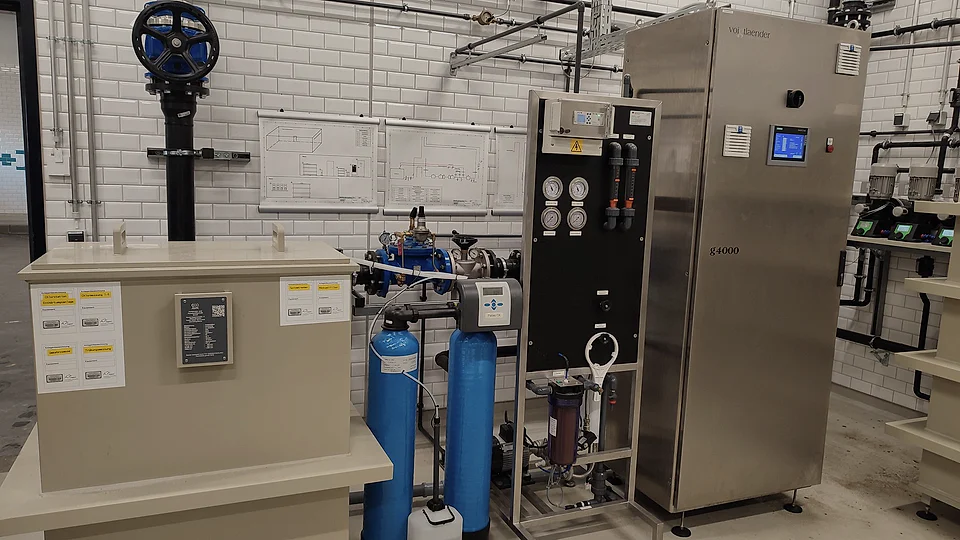
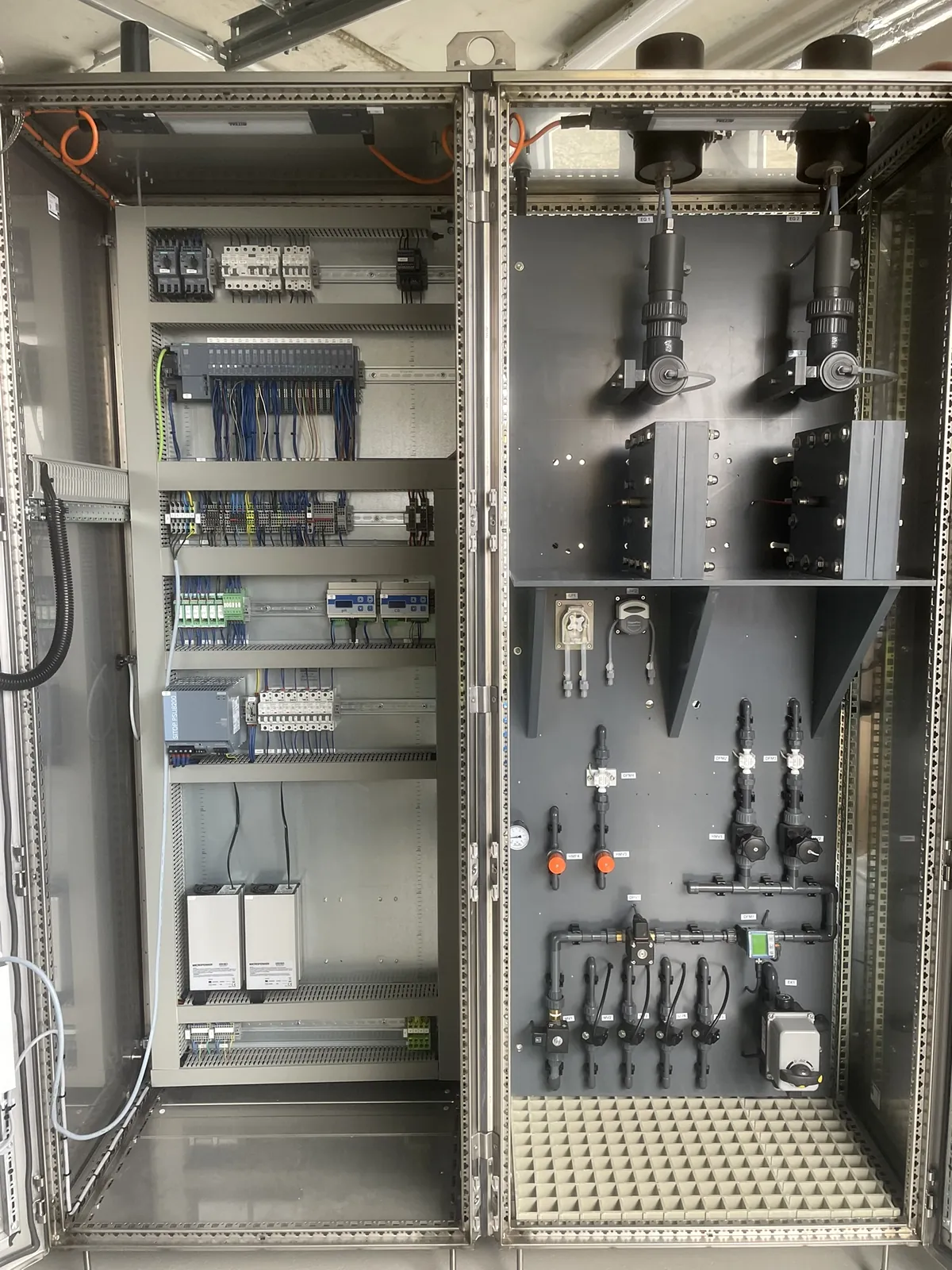
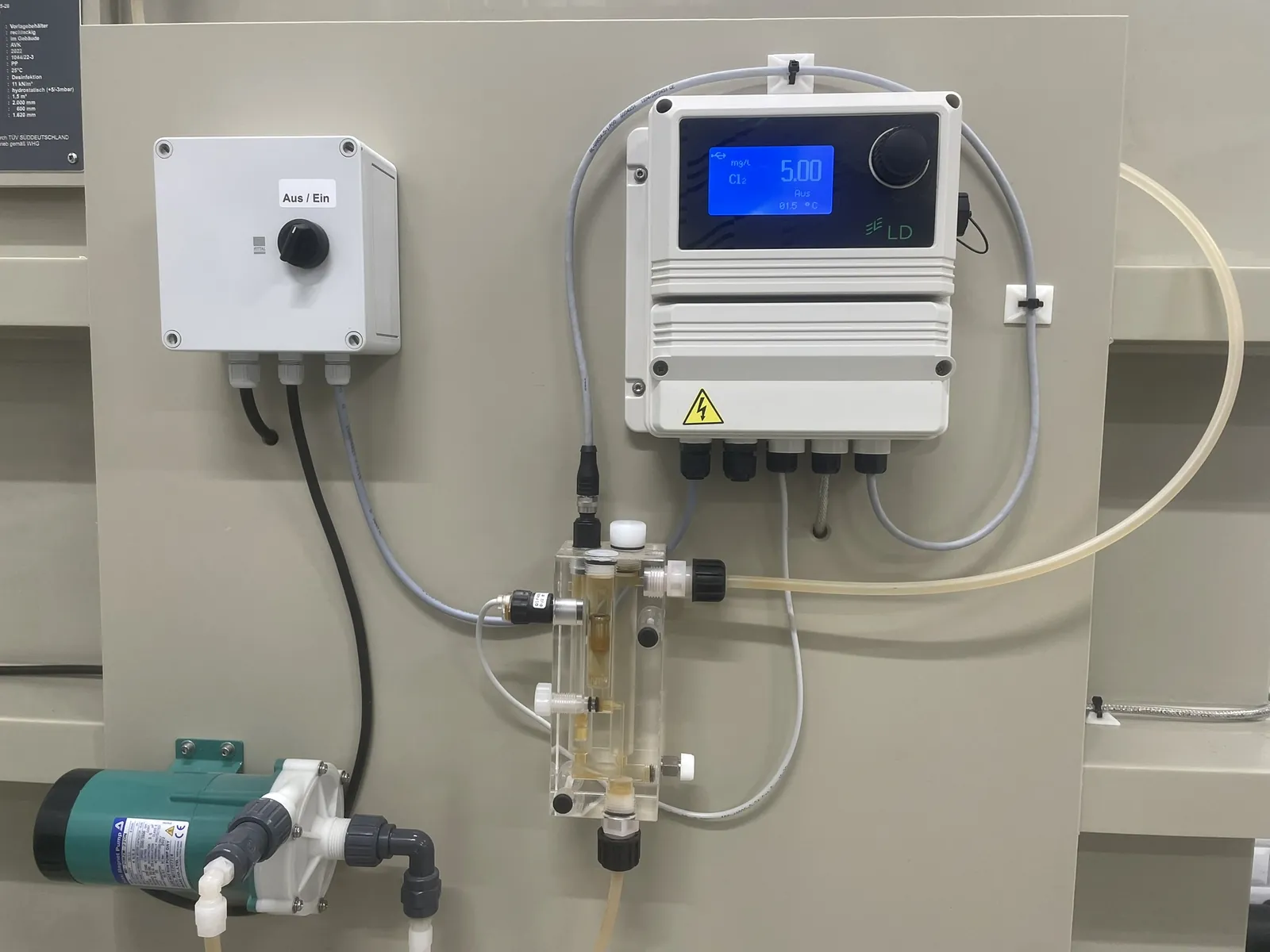
Voigtländer generates anolyte on site and doses it into the cooling circuit under measurement control, via redox control, for example. Operating data is stored, so the plant's history remains traceable. This method does away with chlorine gas logistics and hazardous-substance storage; the specific risk assessment remains plant-specific.
System overview
Inlet and water meter, brine tank, the three-chamber generator, anolyte tank, demand-led dosing, measurement and control: seven stages in 34 seconds. Press "Show me the process" to start the animated 3D diagram.
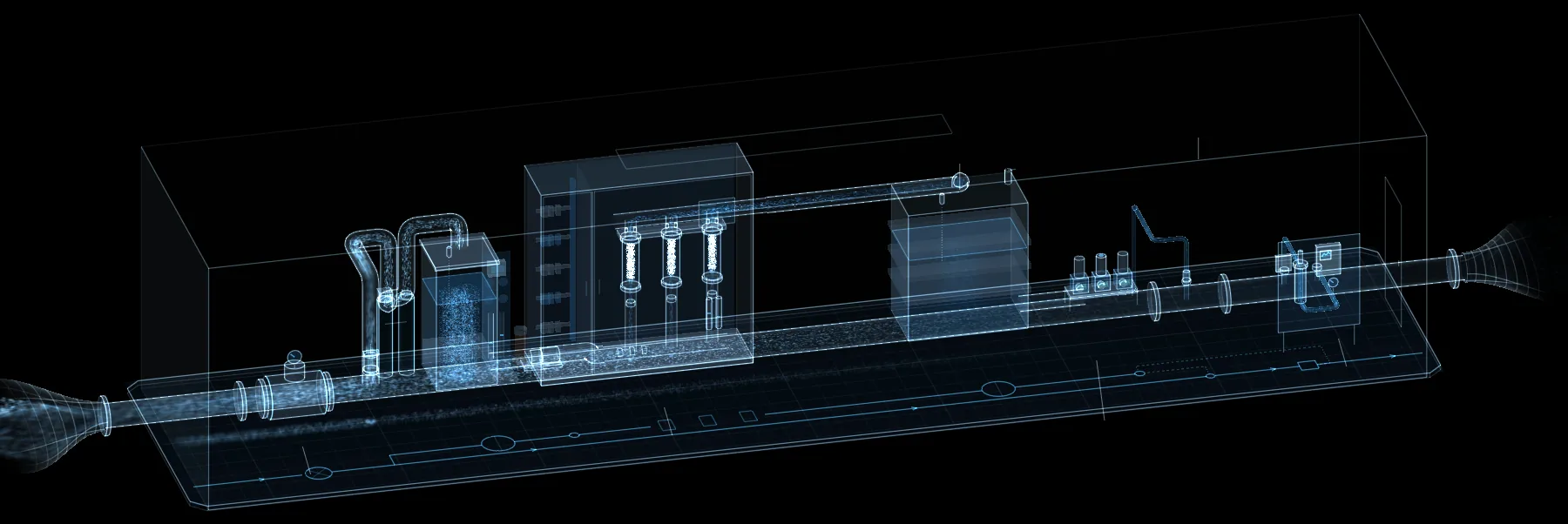
Modelled from the Voigtländer plant schematic of an anolyte system, in the drawing language of the home page. The cards show documented facts only, no invented figures.
Regulation
The ordinance requires operation according to the state of the art, internal operational inspections, laboratory testing for Legionella, a Betriebstagebuch (operating logbook) and graduated measures when findings occur. Monthly laboratory testing is not the blanket default; it arises, for example, after a confirmed exceedance of a Prüfwert (inspection value). The plant is notified via the KaVKA-Portal.
Legionella values by plant type (CFU/100 ml). The "reference value 100" relates to the general colony count, not to Legionella. The binding assignment follows from the classification of the specific plant; see Duties under the 42. BImSchV.
The binding assignment follows from the classification of the specific plant.
Review sequence
Evaporative cooling system, wet separator or cooling tower.
Check operation against the state of the art.
Testing for Legionella at the defined interval.
Assess the finding against the inspection values for the plant type.
Graduated measures and keeping the Betriebstagebuch.
A sequence shown for orientation. The binding duties, intervals and deadlines depend on the classification of your specific plant; see Duties under the 42. BImSchV.
Reference
The Healthcare/HVAC catalogue describes a plant at a German university hospital with continuous redox control and stored operating data. The application is described in Hydreatio's own case study as a cooling tower and HVAC reference; the site is not named until the operator releases it.
Performance figures remain bound to the specific project context and are not a general undertaking.
The objection
Treatment does not replace the operator's duties: laboratory testing, the Betriebstagebuch, notification and the graduated measures remain the operator's responsibility. The technology supports plant management; it does not take its place.
Voigtländer in other sectors
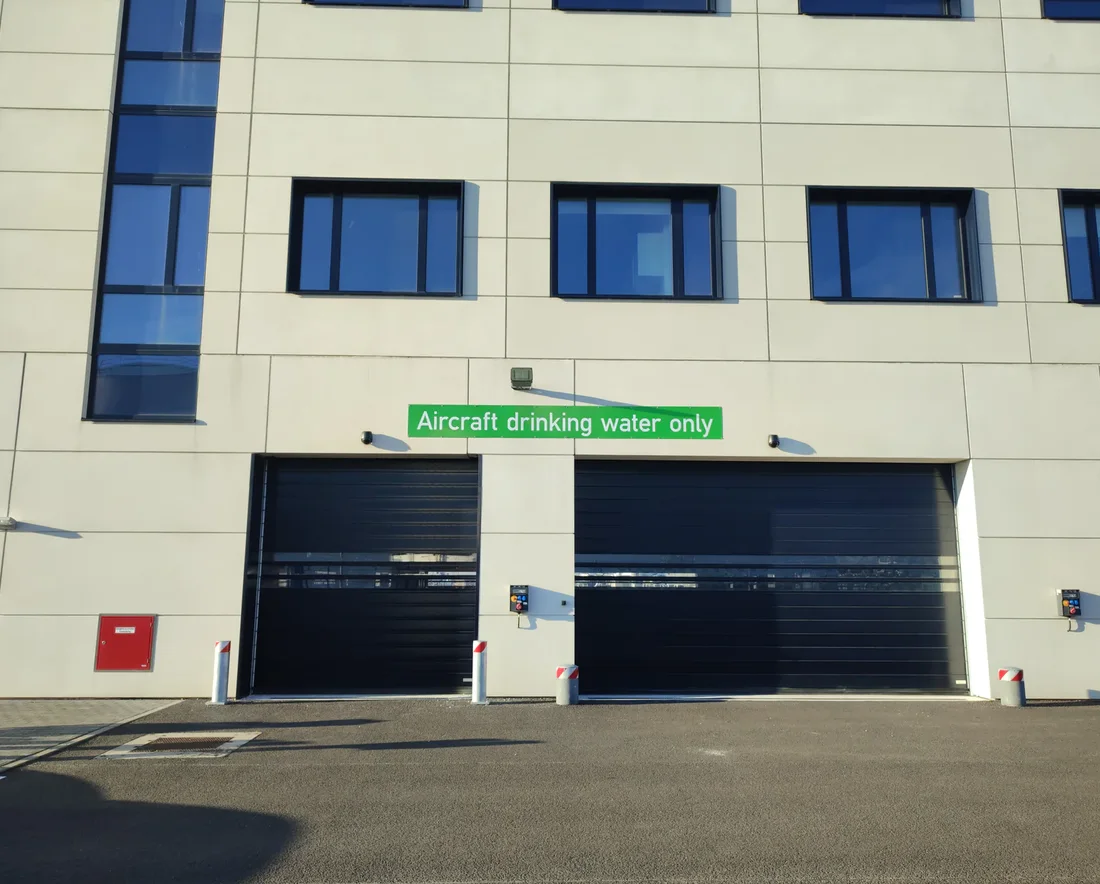
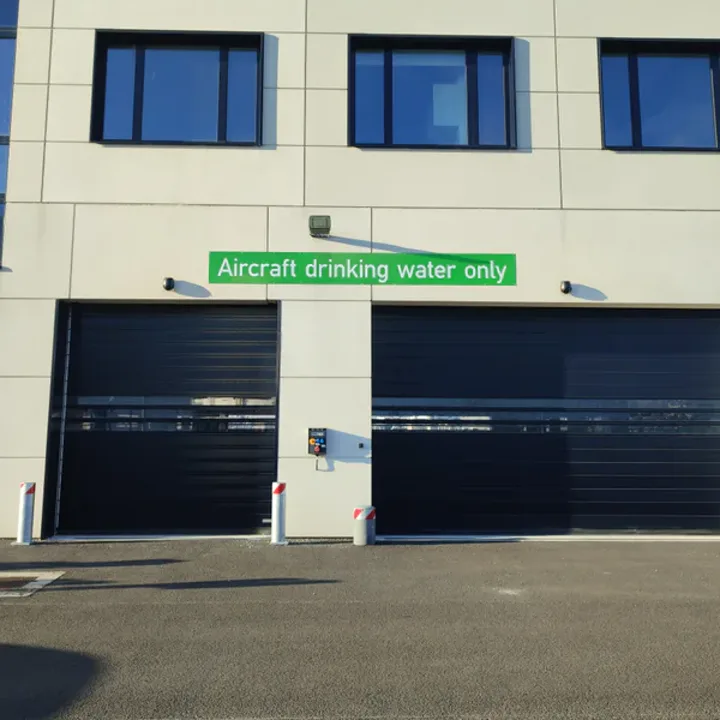
Aviation
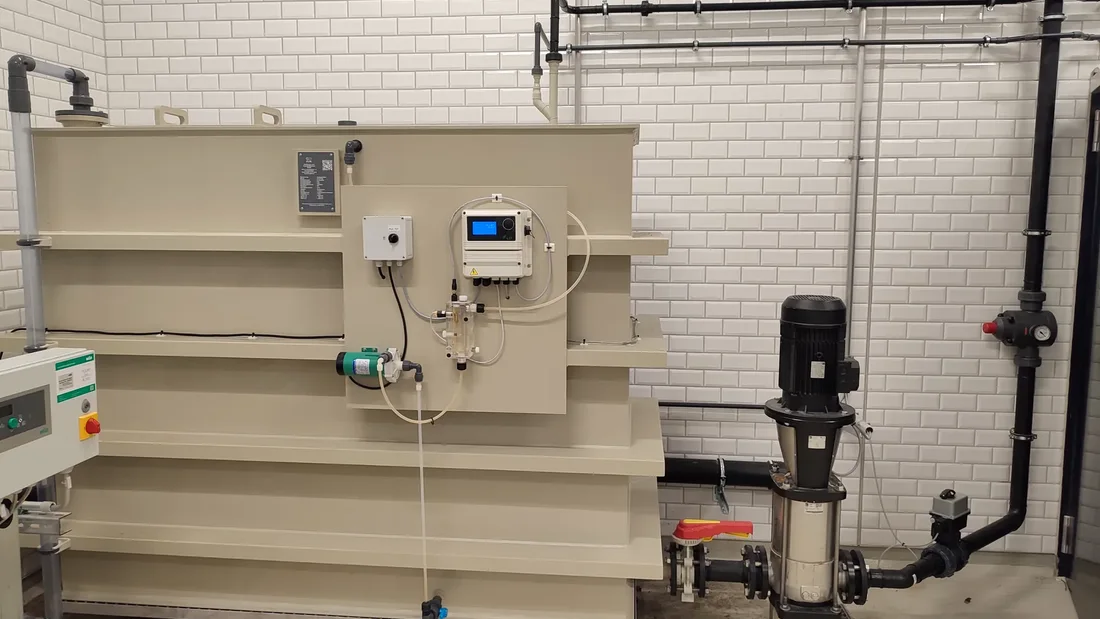
Buildings
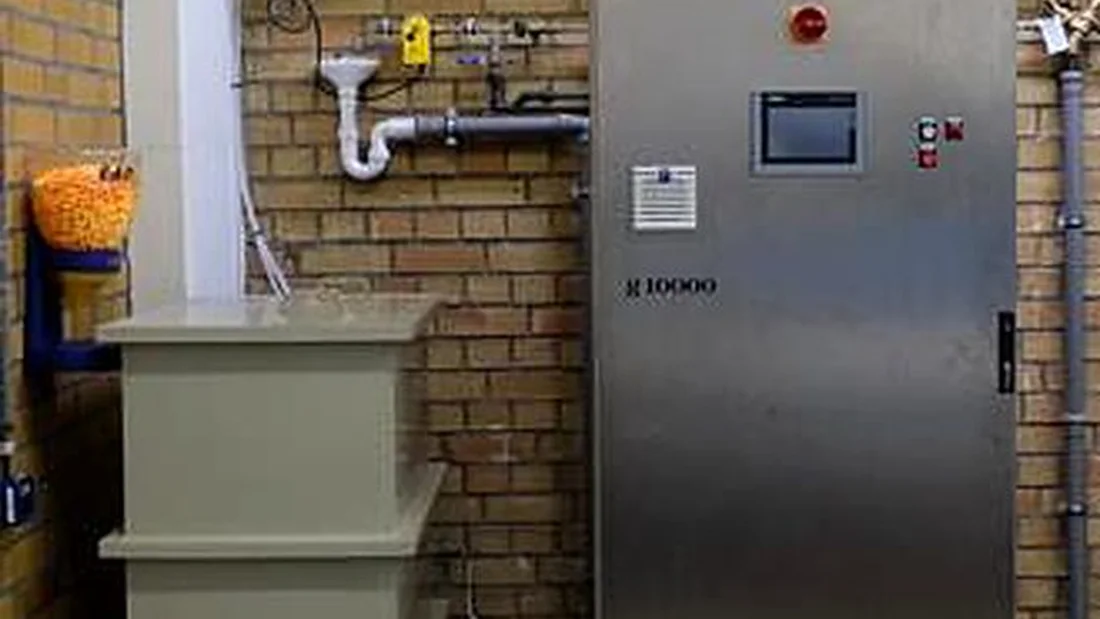
Cooling systems
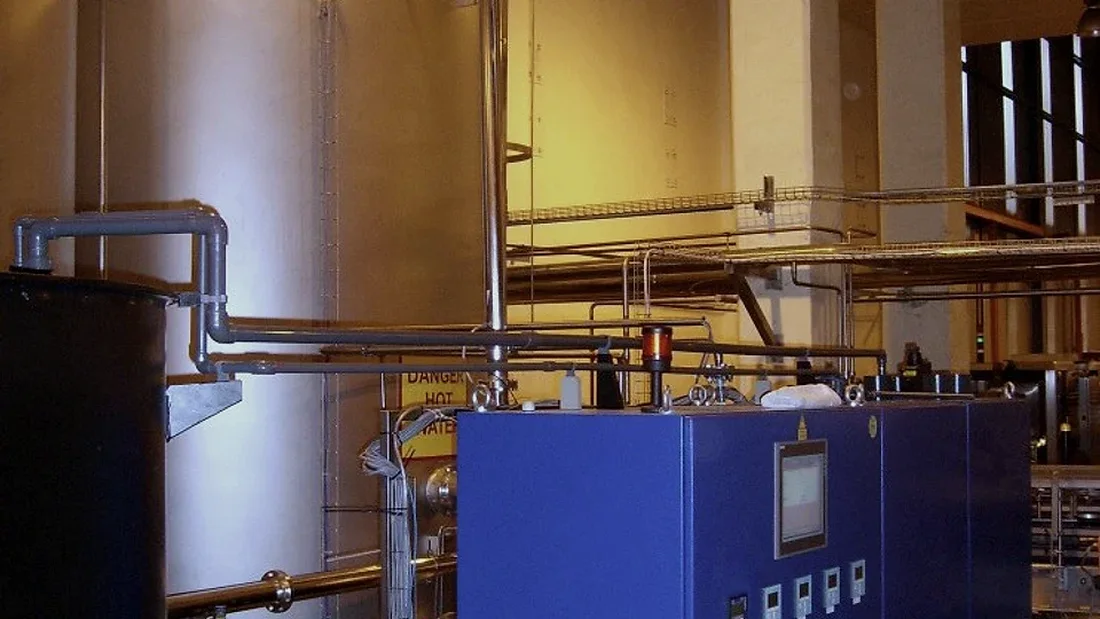
Food and beverage
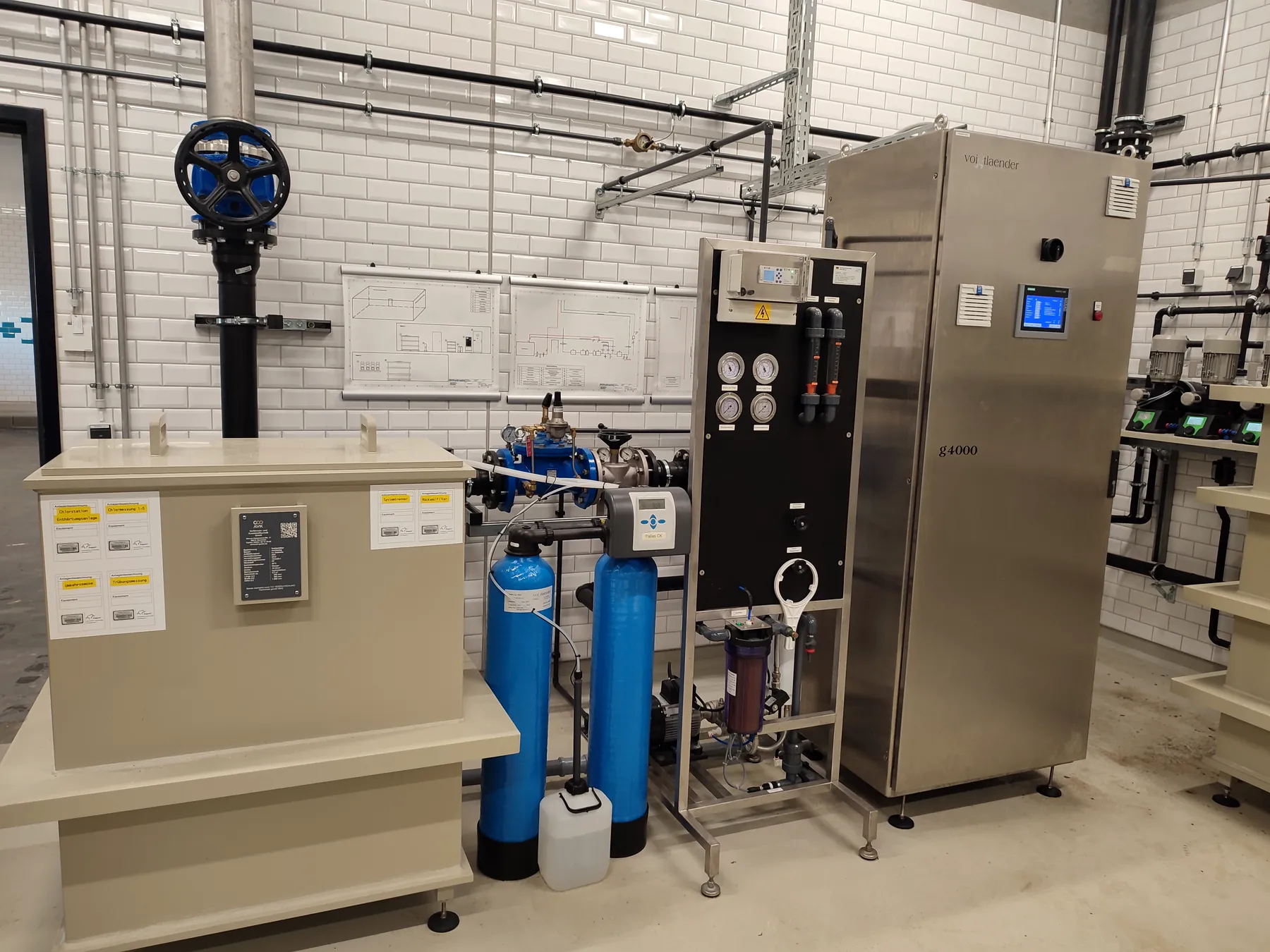
Further applications
Every entry is a Voigtländer application. Results are project-specific and are not a forecast for another site.
Next step
The entry point runs alongside the building hygiene assessment; the cooling technology is a targeted add-on. It helps to know the plant type, the operating regime, previous laboratory findings and the reason for the review.
Briefly describe the plant, the plant type and the reason. A few details are enough for a first contact.
Your enquiry will be assessed by a specialist. The applicable duties depend on the classification of your specific plant.
Plant type, inspections, laboratory intervals, the Betriebstagebuch and measures when findings occur.
The shared hygiene path for operators with drinking water and cooling water needs.
For when the cooling circuit, process water and wastewater are to be planned as one overall system.
A few questions lead to the right testing route for your plant.
In a few questions, the Smart Match places your situation and shows the most useful next testing step for your water system.
Prefer a conversation to a form? We will assess your situation and name the next testing step.
Get in touch ›Already have analysis results? Send them to us: we will review them and come back with a first assessment.
Send an analysis ›Legionella in the cooling towerThe entry point is a cooling tower hygiene review.
Request a reviewHydreatio assistant AI
AI assistant. It can make mistakes, and its answers are not a diagnosis of your plant. For anything further, please use our contact page. Privacy