1. Home
  2. References
  3. Landfill leachate RCDT

Reference · Rotreat · Landfill leachate

RCDT plants for landfill leachate

RCDT reverse osmosis is in service at real landfill leachate plants in Europe, Turkey and Australia. This page shows the plants, their capacities and project-specific measured values, with their limits.

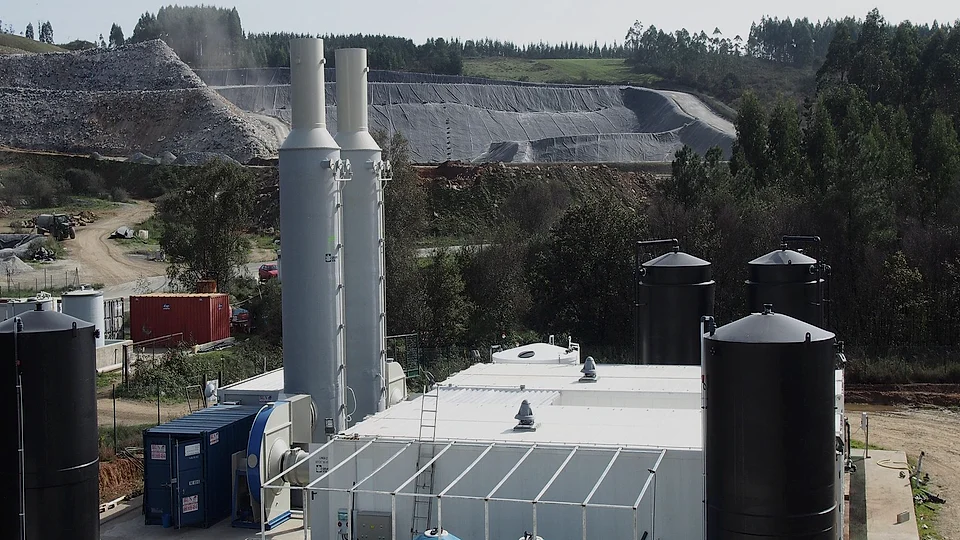
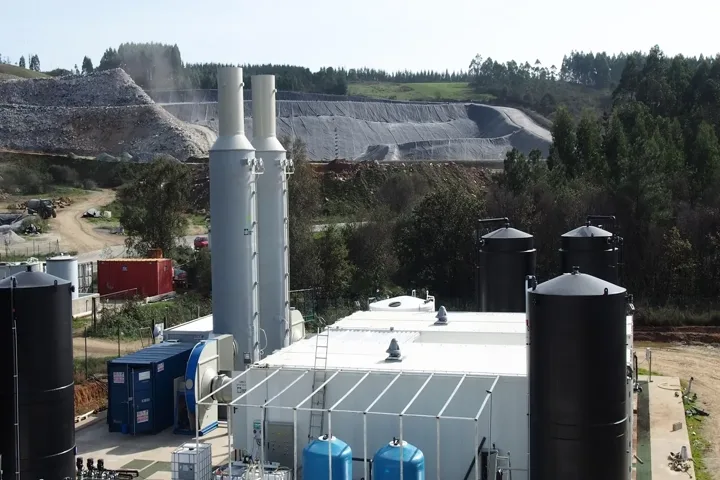
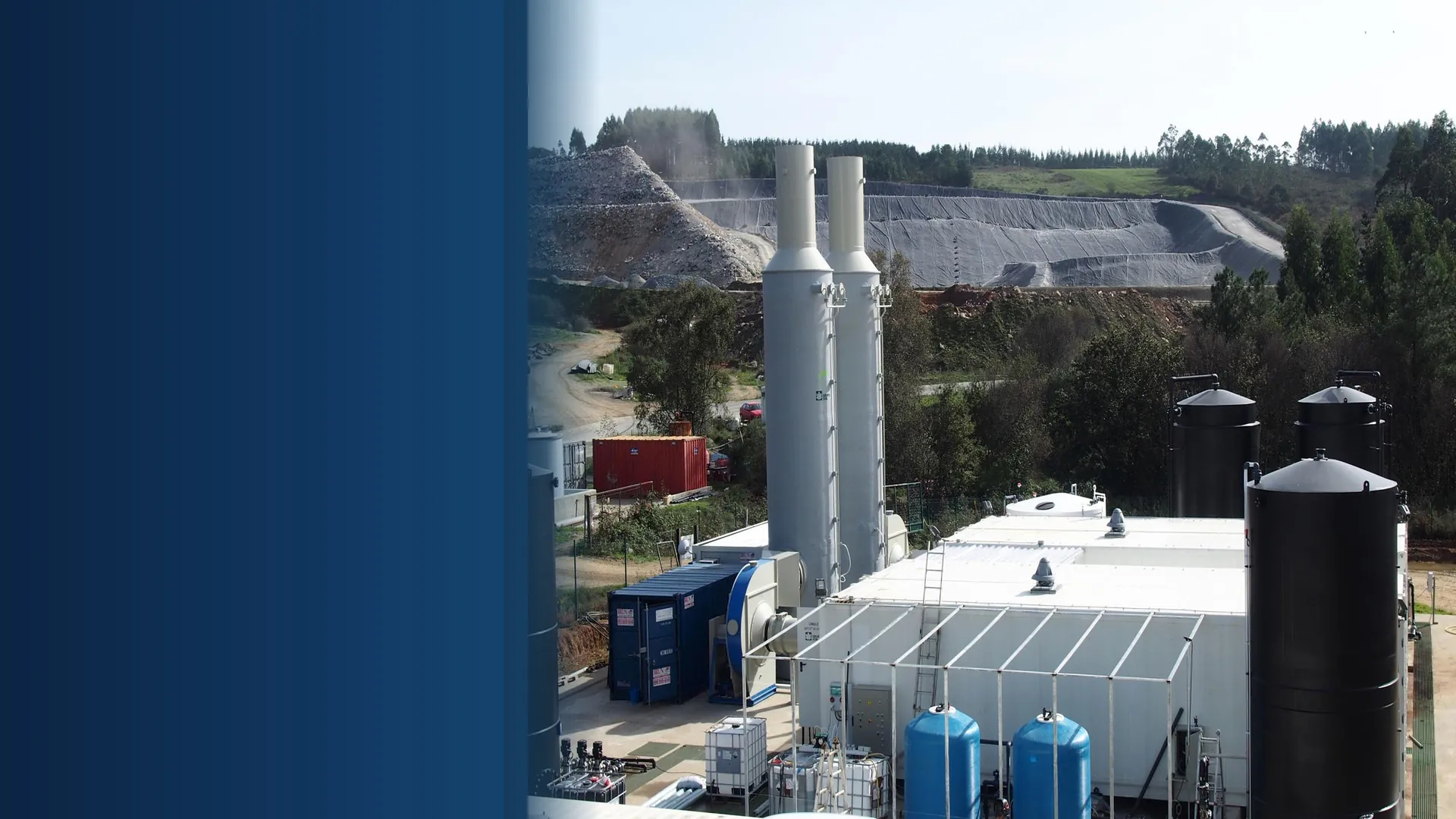
Galicia landfill-leachate plant.

7leachate plants on this page
7countries: Spain, Romania, Slovenia, Slovakia, Bosnia and Herzegovina, Turkey, Australia
600 m³/daylargest plant, Galicia
90 to 160 barstaged high-pressure concentration, approximate

Where the plants run

Three European sites, shown in detail

Select a plant to review its photographs, installed capacity and treatment context.

Markers show the region or country, not the plant address.

Map of Europe with markers in Galicia, Slovenia and western Romania

Projects in context

Project overview by site and capacity

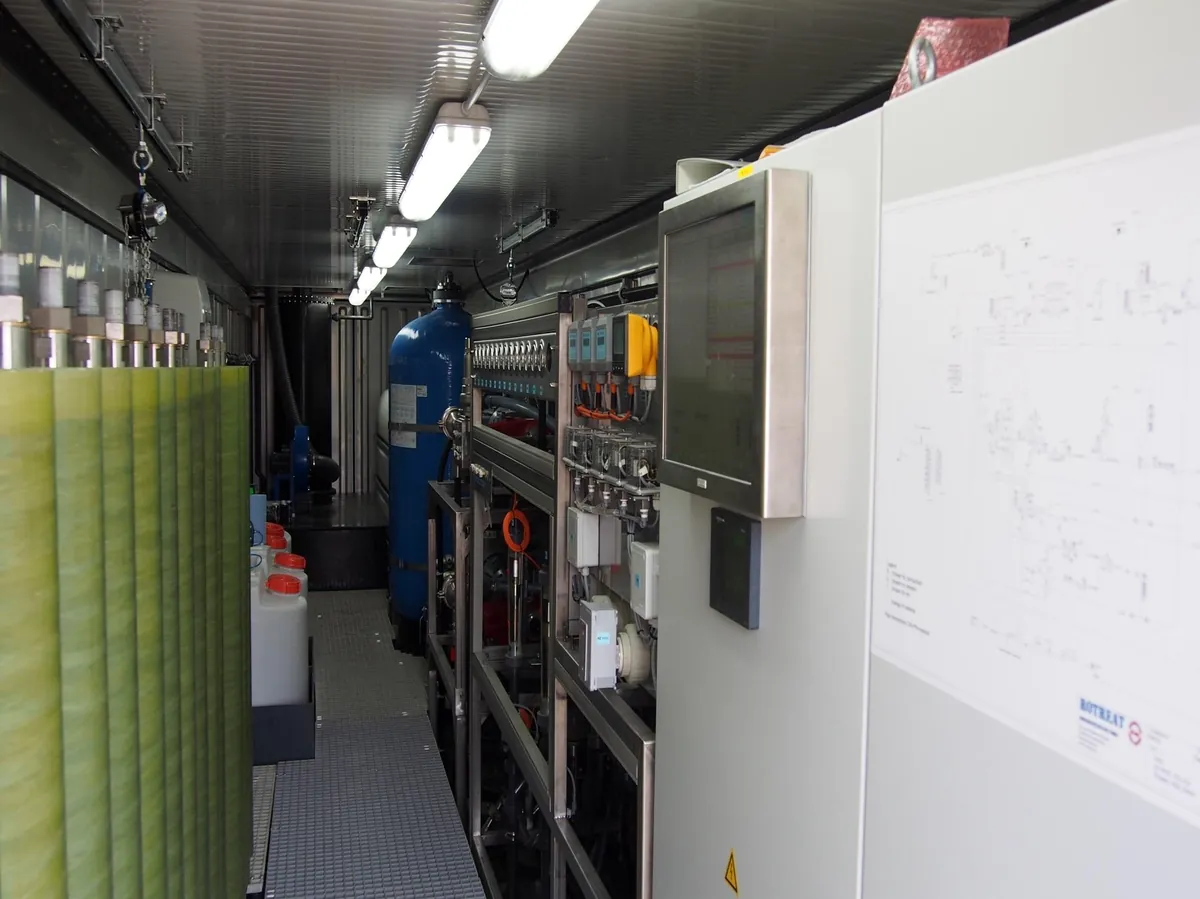
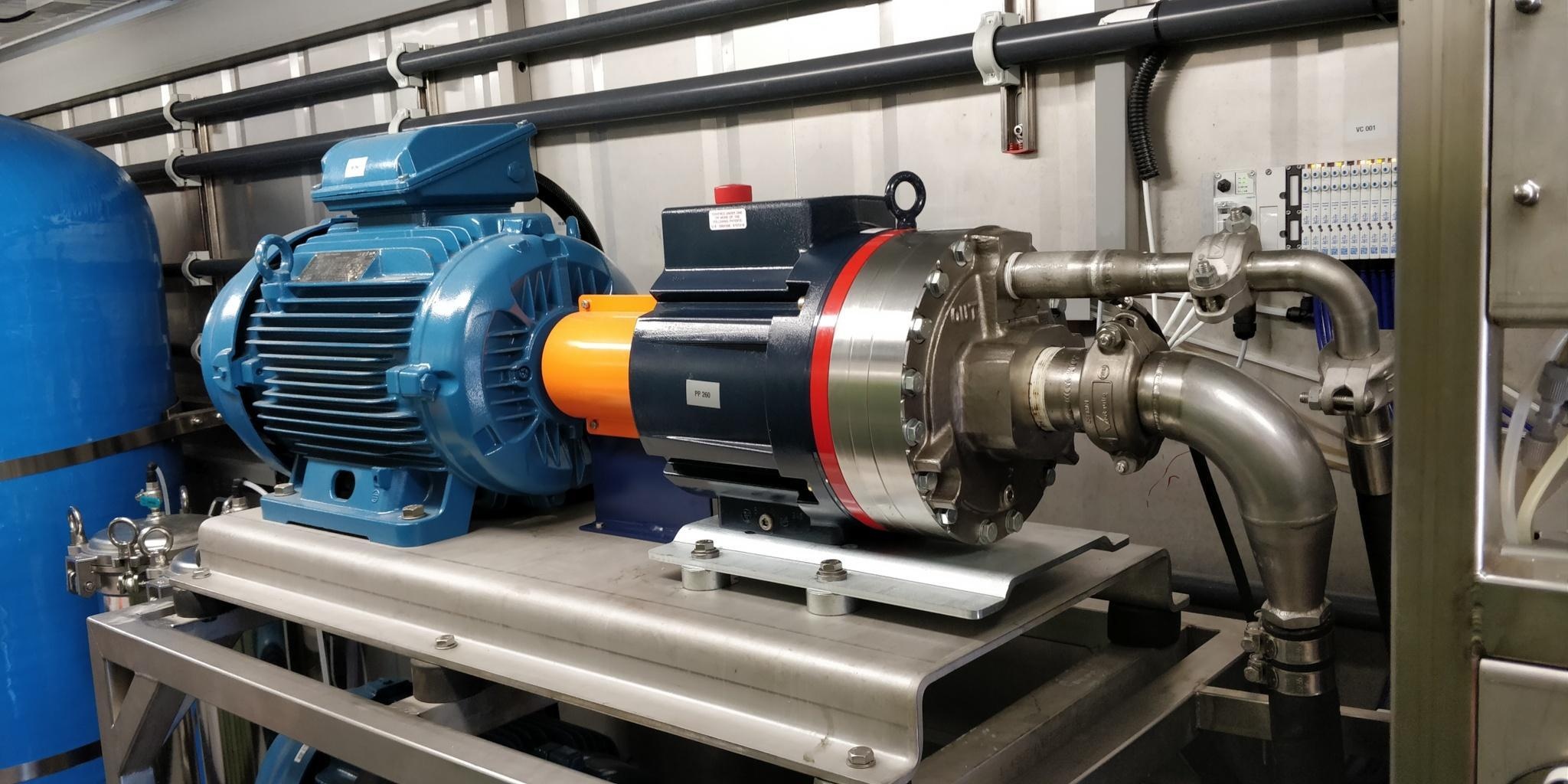
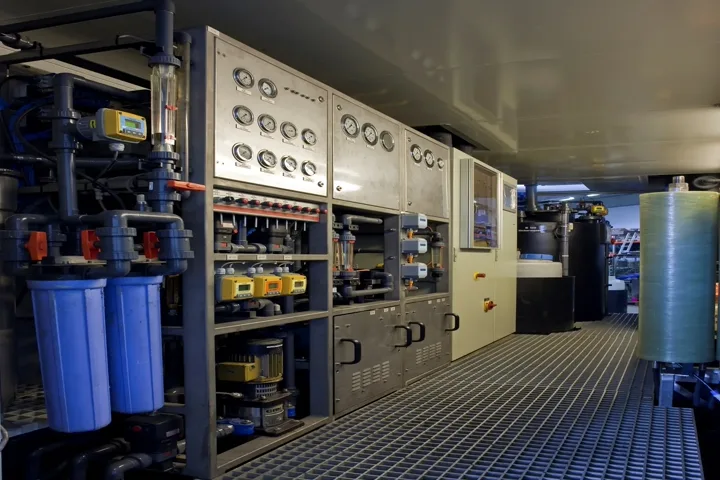
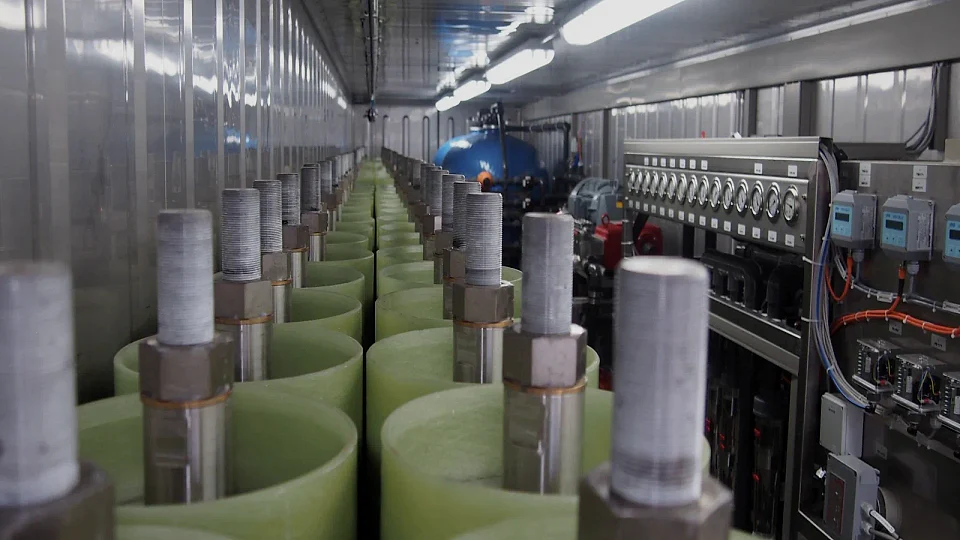
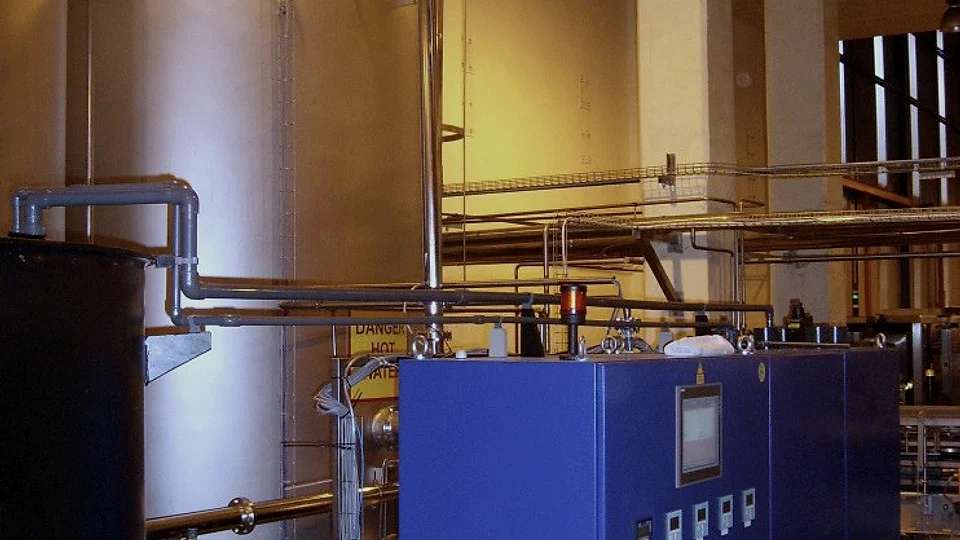
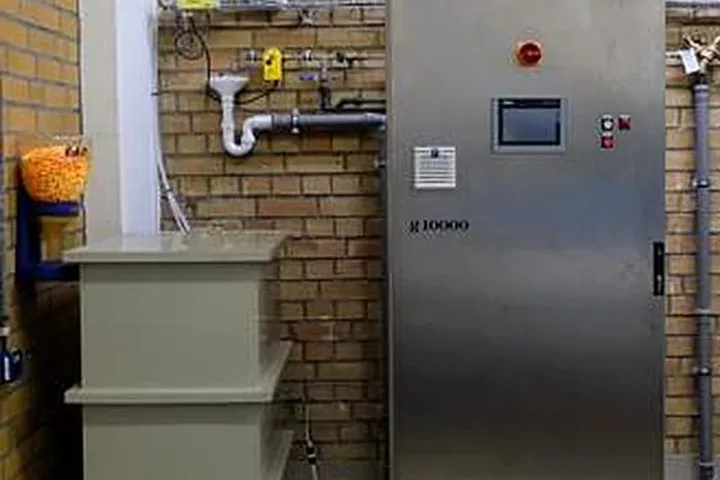
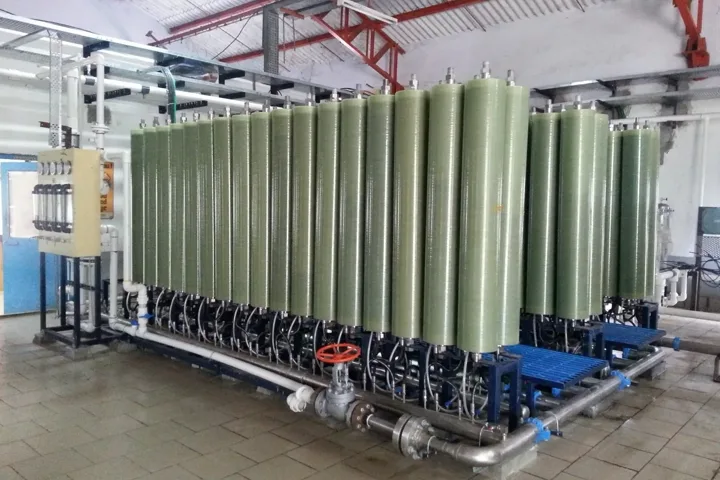
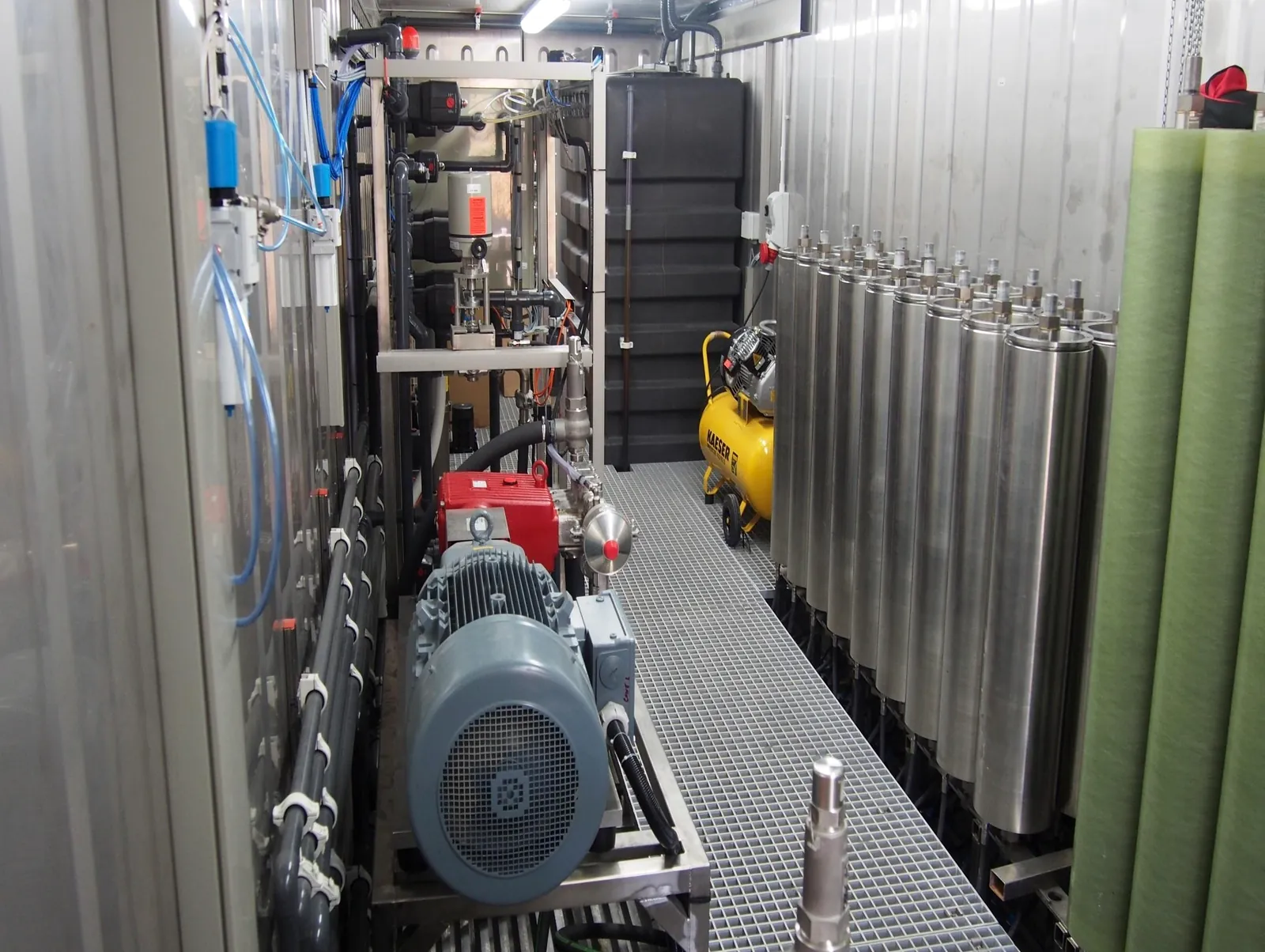
Inside the plant: RCDT modules and pipework. Actual installation.

Inside the plant: RCDT modules and pipework. Actual installation.

01 / 03

Spain

Galicia, Spain

600 m³/day

Triple-stage RCDT reverse osmosis for landfill leachate.

Application
Landfill leachate
Technology
RCDT, triple-stage
Stages
2 × (84 + 27 + 18)
  • 2 × (84 + 27 + 18) RCDT modules in three stages
  • The largest of the leachate plants shown here
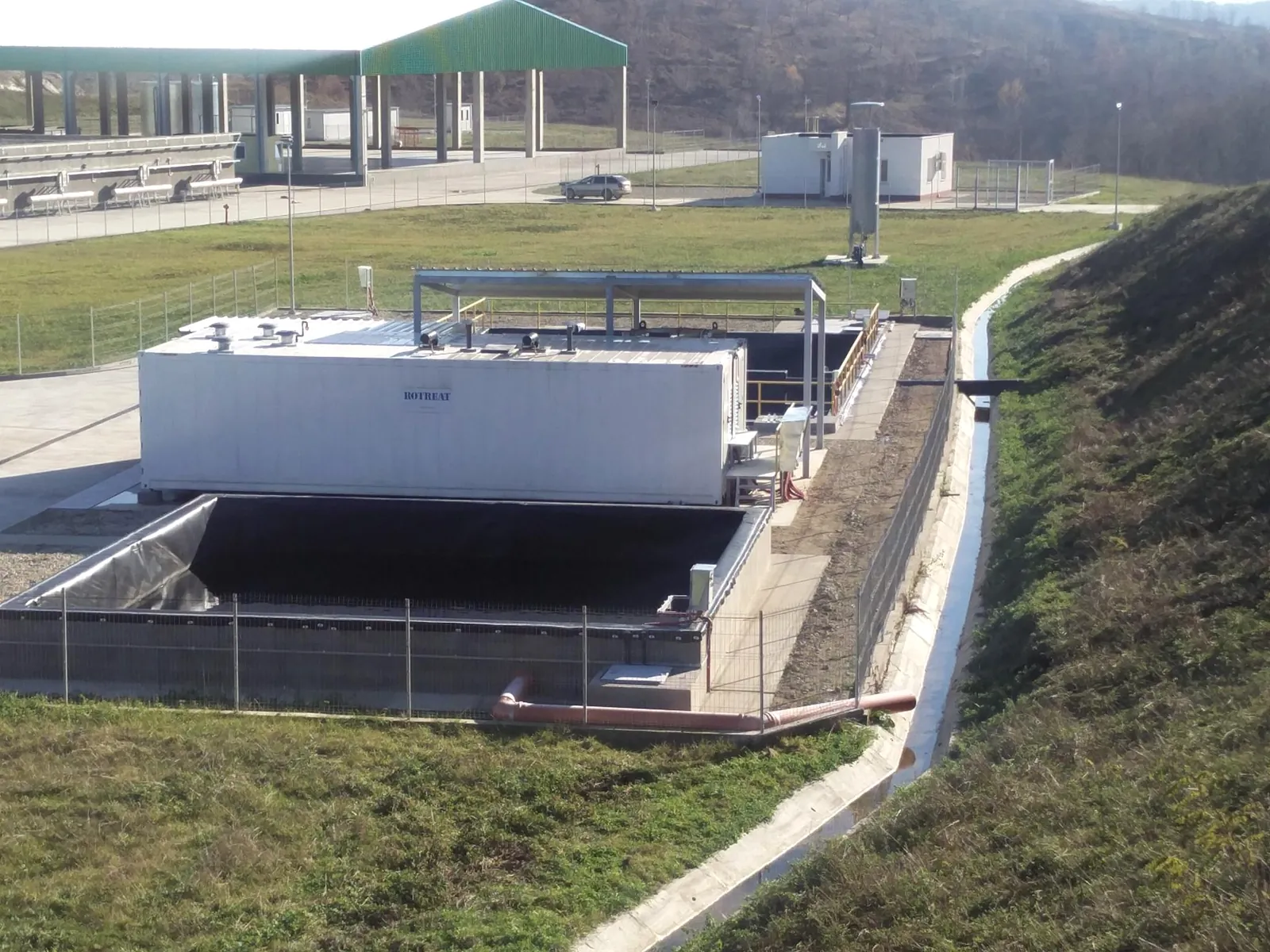
RCDT leachate plant beside the leachate basin in Caras, Romania

Plant beside the leachate basin. Actual installation.

02 / 03

Romania

Caras, Romania

170 m³/day

RCDT plant for landfill leachate.

Application
Landfill leachate
Technology
RCDT, triple-stage
Stages
60 + 15 + 6
  • 60 + 15 RCDT modules and 6 spiral elements
  • Three stages of reverse osmosis
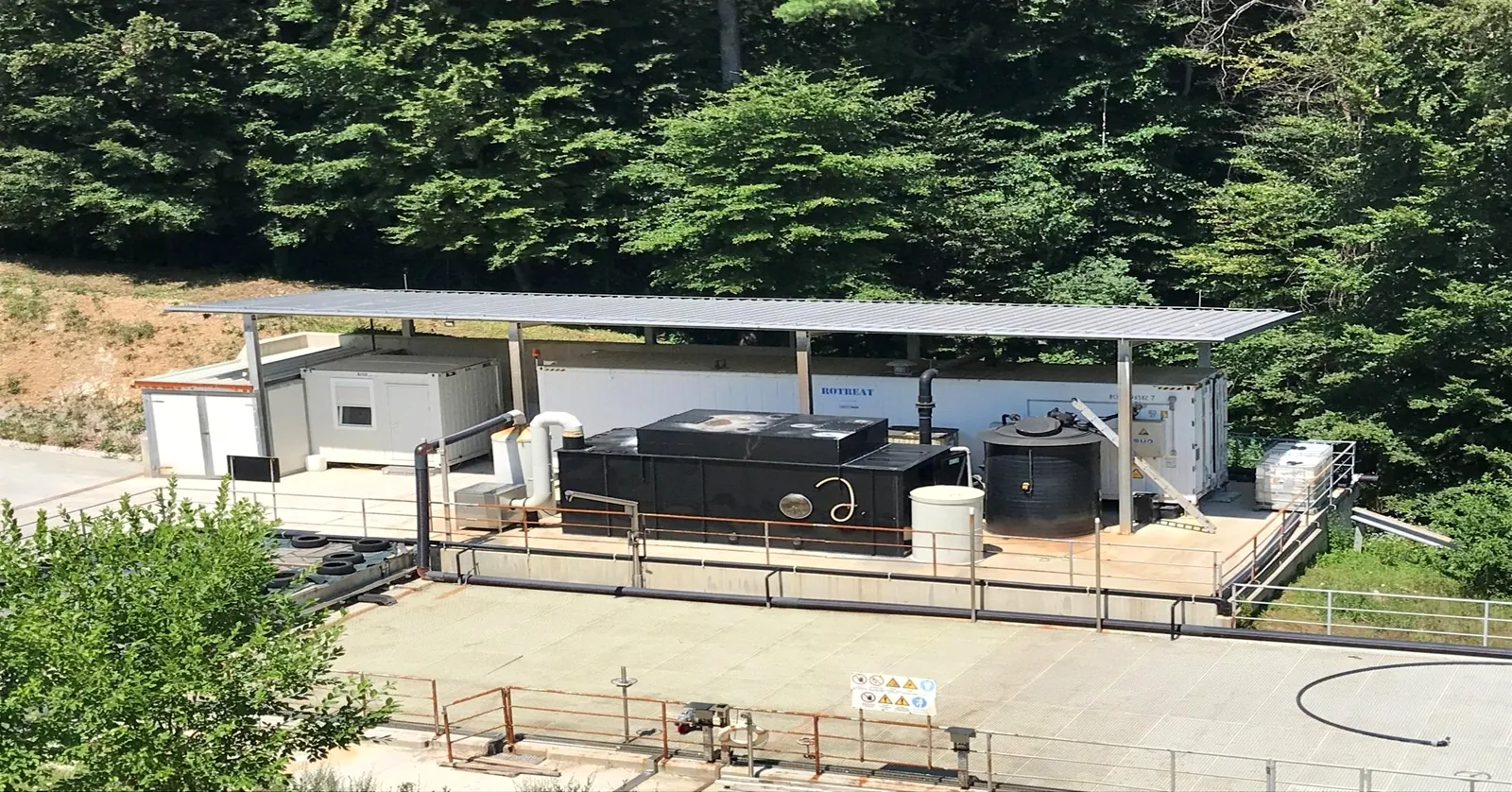
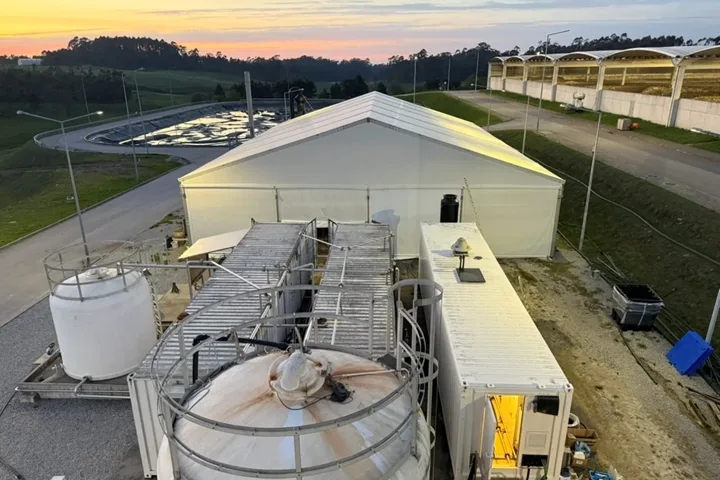
Roofed RCDT leachate plant with containers and tanks at a landfill in Novo Mesto, Slovenia

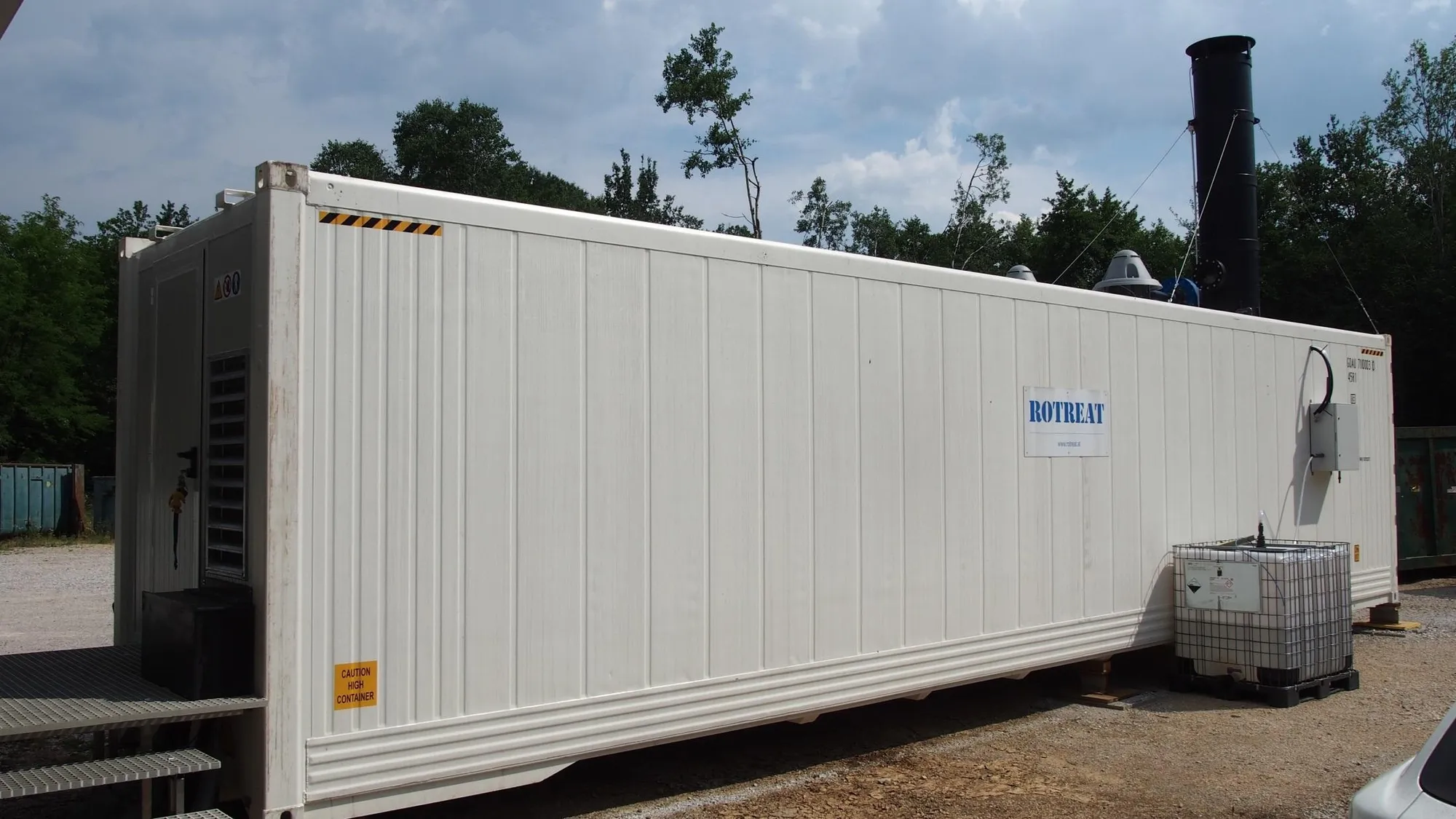
Plant exterior under roof. Actual installation.

03 / 03

Slovenia

Novo Mesto, Slovenia

120 m³/day

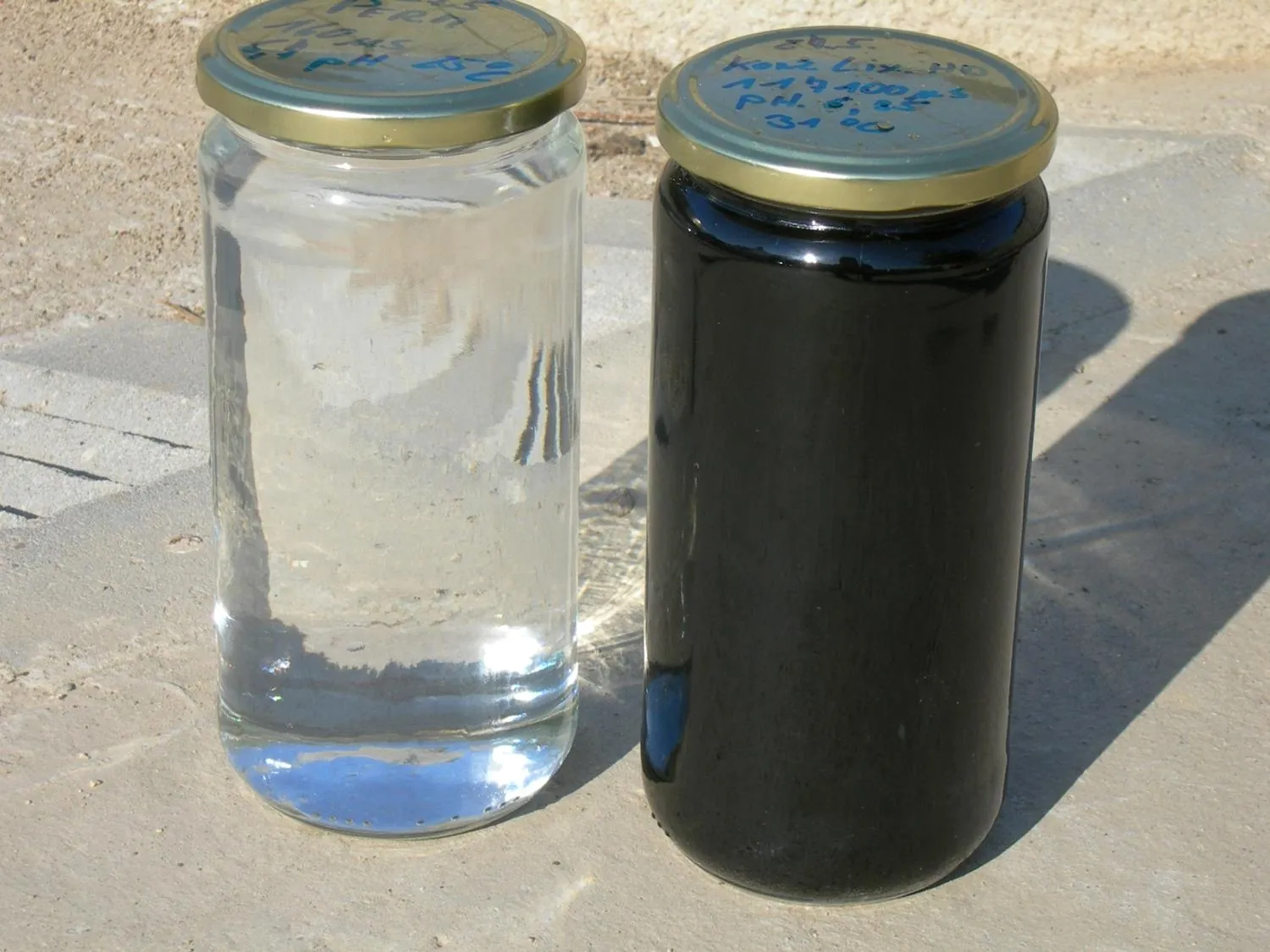
With a visible before-and-after comparison of leachate and permeate.

Application
Landfill leachate
Technology
RCDT
Stages
double-stage reverse osmosis
RCDT modules, stages 1 + 2
34 + 9
Membrane area, stages 1 + 2
408 m² + 108 m²
  • Before-and-after samples photographed on site
Dark landfill leachate and clear permeate from the plant in Novo Mesto, Slovenia
Permeate Leachate feed

Novo Mesto, Slovenia · 120 m³/day

The visible difference, photographed on site

Clear permeate on the left, dark leachate on the right. Both samples come from the plant in Novo Mesto, Slovenia.

The image shows the visible difference in colour and turbidity; on its own it shows no analytical values.

Measured values

Feed and permeate values

A dataset reported by Rotreat (brochure, generic, not assigned to any named site) shows the effect of RCDT treatment on a contaminated feed.

Dataset (feed → permeate), not site-specific

Conductivity

44,000 µS/cmFeed
68 µS/cmPermeate

COD

24,300 mg O₂/lFeed
< 15 mg O₂/lPermeate

BOD₅

10,770 mg O₂/lFeed
4.8 mg O₂/lPermeate

Ammonium

4,620 mg/lFeed
< 10 mg/lPermeate

Bar lengths use a logarithmic scale so that feed and permeate fit in one chart.

Source: Rotreat project data. This dataset is not assigned to any named site and is not presented as a result of the projects listed above. Values are project-specific.

Named plants

Measured values at two named plants

Unlike the dataset above, these values are assigned to named Rotreat plants.

Measured parameter
01

Galicia, Spain600 m³/day · 72-hour acceptance test

02

Novo Mesto, Slovenia120 m³/day · after start-up

01

Conductivity

Feed42,000 µS/cm
Permeate230 µS/cm
Feed22,000 µS/cm
Permeate68 µS/cm
02

COD

Feed8,500 mg O₂/l
Permeate< 50 mg O₂/l
Feed13,367 mg O₂/l
Permeate6.0 mg O₂/l
03

Ammonium

Feed3,600 mg/l
Permeate27 mg/l
Feed1,470 mg/l
Permeate4.3 mg/l
04

Operating record

  • Recovery 68% during the 72-hour test
  • Delivery time 17 weeks; installation including the 72-hour test run 3 weeks
  • Recovery 67% at 75 bar
  • 56,000 operating hours since start-up
  • Membrane life 33,000 operating hours; 152,000 m³ treated

Source: Rotreat project data. Values are project-specific and were measured at the plants named.

How the plants work

From leachate to permeate, with the concentrate path in view

  1. 1

    Leachate

    High-load feed from the landfill.

  2. 2

    Pre-treatment

    Conditioning, sand and bag filtration protect the membranes.

  3. 3

    RCDT reverse osmosis

    Open radial disc-tube channel for colloidal, high-COD feed.

  4. 4

    Permeate

    Discharge or reuse, according to the effluent analysis and the permit.

  5. C

    Concentrate

    Staged high-pressure concentration, roughly 90 to 160 bar. The residue must be disposed of.

The process

From raw water to permeate, step by step

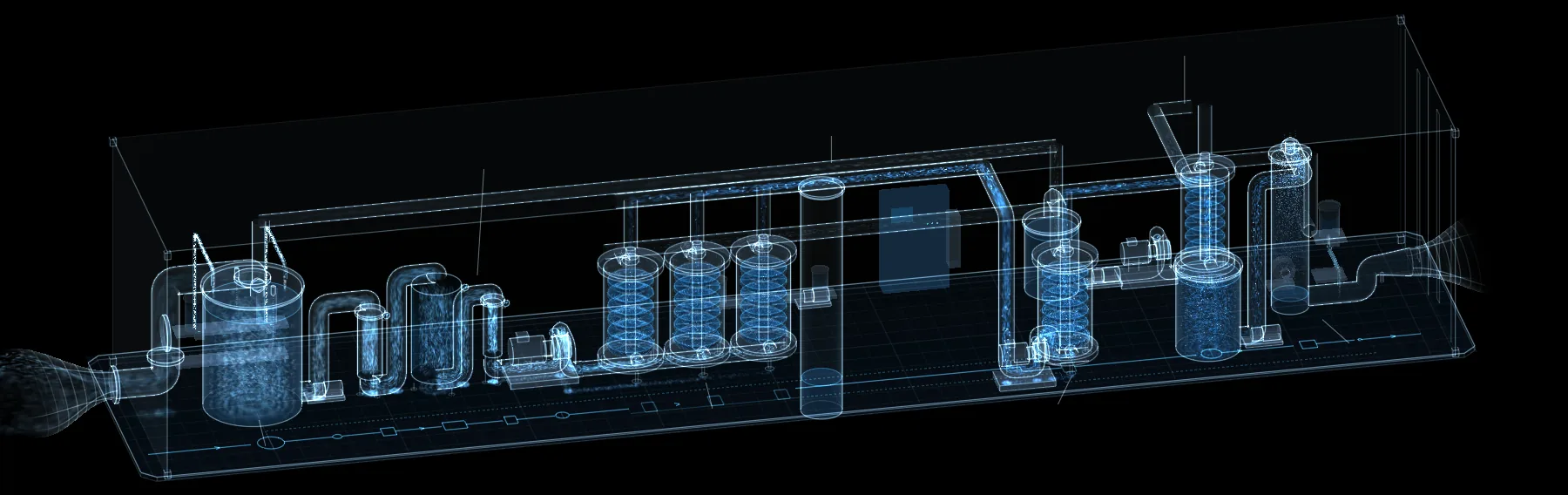
How RCDT reverse osmosis treats a variable, heavily loaded feed. Press “Show me the process” to start the animated 3D diagram.

ready

Drawn from the Rotreat flow sheet of a two-stage RCDT plant with the optional high-pressure concentrate stage. Figures shown are documented manufacturer values.

Further leachate plants

Europe, Turkey and Australia

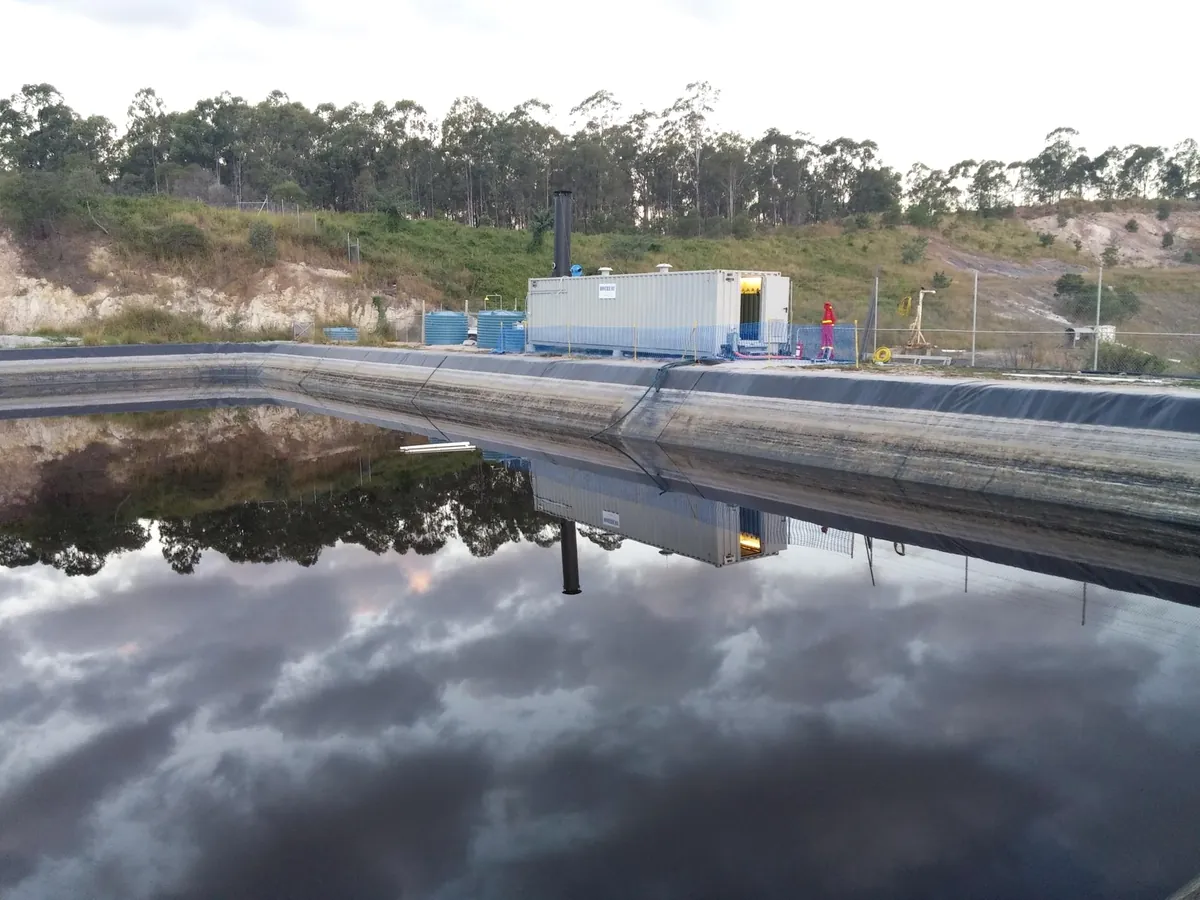
RCDT plant beside a leachate pond in Australia

Australia

120 m³/day

RCDT reverse osmosis for landfill leachate.

Interior of the RCDT leachate system in Slovakia

Slovakia

80 m³/day

RCDT reverse osmosis for landfill leachate.

Turkey

75 m³/day

Two-stage RCDT XXL reverse osmosis. Treated a seasonal surge within 48 hours.

Bijeljina, Bosnia and Herzegovina

35 m³/day

Two-stage RCDT reverse osmosis, 13 + 3 modules.

Treatment results at another site depend on its water and operating conditions.

Reading the results

Limits of transferability

These project results apply to their respective plants and feed waters.

What these references show

  • Capacity and measured values belong to their respective project and feed.
  • A before-and-after image proves the visible difference.

What they do not show

  • A before-and-after image does not prove COD, PFAS or discharge values.
  • Those follow from the feed and effluent analysis, the operating condition of the samples and the complete process chain including the concentrate path.

From reference to your project

How this works for your site.

These leachate applications show how the treatment approach has been used in different operating contexts. Your own water analysis determines the suitable design.

Your site

The design begins with your water analysis

For a new site, the design begins with the water analysis and, where the feed is variable, with a pilot trial.

Or call +49 89 90 17 39 75

  1. 1

    Water analysis

    You send the feed analysis and the discharge requirement of your permit.

  2. 2

    Treatment concept

    We assess the process chain, including the concentrate path.

  3. 3

    Pilot trial

    Where the feed is variable, a pilot trial on site comes before the design.

Request an RCDT treatment concept

We use your details to process your enquiry (Art. 6(1)(b) GDPR). Information on processing is set out in the privacy policy.